
Good pet care is built on five foundations: balanced nutrition, preventive vet care, consistent training, species-appropriate daily routines, and a financial plan for the unexpected. Get those five right and most common problems — from digestive upsets to destructive behaviour — never get a foothold. This guide is your hub: each section below covers the essentials and links out to our full in-depth guides on that topic, so you can read the overview here and go deep wherever you need to.
Nutrition & Feeding
Feeding well is the single highest-impact thing you can do for your pet. Most healthy dogs and cats thrive on a complete, balanced diet formulated to AAFCO or FEDIAF standards, with fresh water always available. The fancier your feeding plan, the more important it is to stay grounded: our overview of raw dog food, its claimed benefits and real risks walks through the evidence honestly — including the bacterial contamination data that raw feeding’s critics cite — so you can make an informed choice rather than a fashionable one.
If your dog has food sensitivities, an elimination approach with your vet works better than guessing. Grain allergies are genuinely rare in dogs — protein sources are the usual culprit — but some dogs do better without grains, and our review of grain-free dog food options for allergic French Bulldogs shows how to read ingredient panels and choose a formula that actually addresses the problem. For fussy eaters, note that rotating proteins occasionally can backfire: consistency is usually kinder to sensitive stomachs.
Gut health underpins nearly everything else. Dogs with recurring diarrhoea, gas, or itchy skin often benefit from probiotic support alongside diet changes, and our complete guide to probiotics for dogs’ gut health explains which strains have the best evidence, how to dose them, and when a probiotic is a sticking plaster over a diet problem that needs fixing instead. Two practical rules: transition any new food over 7–10 days, and weigh portions — pet obesity is largely a measuring-cup problem, not a metabolism one.
Preventive Health & Vet Care
A wellness plan turns reactive vet visits into a routine. Our 2026 preventive care guide to pet wellness plans breaks down what a good plan should include: annual exams, core vaccinations on schedule, parasite prevention, dental checks, weight tracking, and age-appropriate screening. If you do nothing else from this page, book the check-up — early detection is the cheapest treatment there is.
Supplements are the murkiest corner of pet care. Some, like omega-3s for skin and glucosamine for joints, have reasonable evidence behind them; others are expensive hope in a tub. Our complete 2026 guide to pet supplements and wellness separates the well-supported from the wishful, covers dosing basics and quality markers like third-party testing, and flags which products are outright unsafe. The golden rule: never supplement a diagnosed condition without talking to your vet first — supplements can interact with medications.
Joint care deserves its own attention, especially for large breeds. Our guide to arthritis signs, care and relief in Golden Retrievers is breed-focused but the advice travels: how to spot early stiffness, the role of weight management and low-impact exercise, and what the evidence actually says about joint supplements. And for senior dogs generally, our 2026 owner’s guide to senior dog nutrition and joint care explains when to switch to a senior formula, how calorie needs change with age, and how nutrition and mobility support work together.
Training & Behaviour
Most behaviour problems are training gaps, not character flaws. The fundamentals: reward what you like, manage what you don’t, and keep sessions short. Consistency across the whole household matters more than any technique — a dog who is allowed on the sofa by one family member and scolded by another isn’t being disobedient, they’re being confused.
Separation anxiety is one of the most common — and most misunderstood — behaviour issues. Our complete 2026 guide to dog separation anxiety shows how to tell true anxiety apart from boredom or under-exercise, then walks through desensitisation protocols that actually work. Punishing an anxious dog for panicking is like punishing a panic attack: it deepens the problem. Patience and gradual exposure are the treatment.
Noise phobias need a similar approach. Fireworks season is misery for sound-sensitive dogs, so our roundup of the best natural calming treats for dog firework anxiety covers what to try, what the evidence supports (and where it’s thin), and the environmental measures — white noise, safe dens, keeping routines normal — that matter at least as much as any treat. For new puppies, the companion piece is house training: our 2026 puppy potty training guide gives a realistic schedule-based method that house-trains most puppies in weeks, not months.
Cats
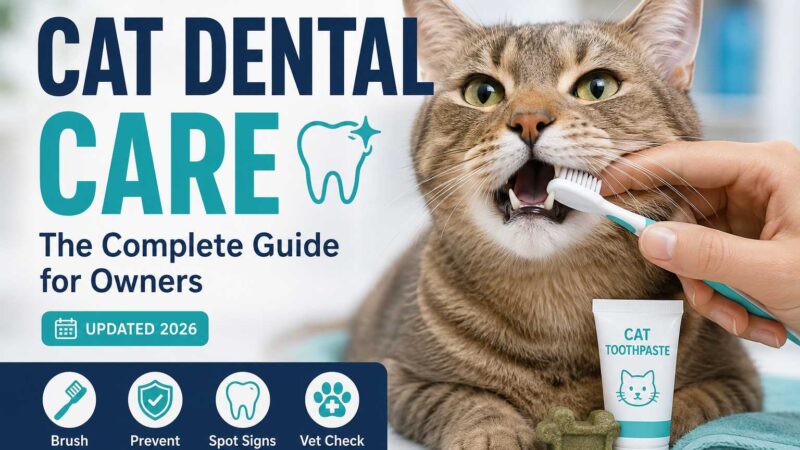
Cats are often treated as low-maintenance pets, which is a mistake — they just hide problems better. Dental disease is the classic example: by age three, a large share of cats show signs of periodontal disease, and our complete cat dental care guide for owners explains how to brush (yes, it’s doable), what dental treats and diets can and can’t do, and which red flags — drooling, dropping food, pawing at the mouth — mean a vet visit now.
Litter box problems are the number-one reason cats are surrendered, yet they’re almost always solvable. Our complete guide to cats peeing outside the litter box walks through the diagnostic order: rule out medical causes (especially urinary issues) first, then fix the box setup — most problems trace back to too few boxes, the wrong litter, or a box placed somewhere no sensible cat would choose. Scoop daily; a dirty box is the most common fix of all.
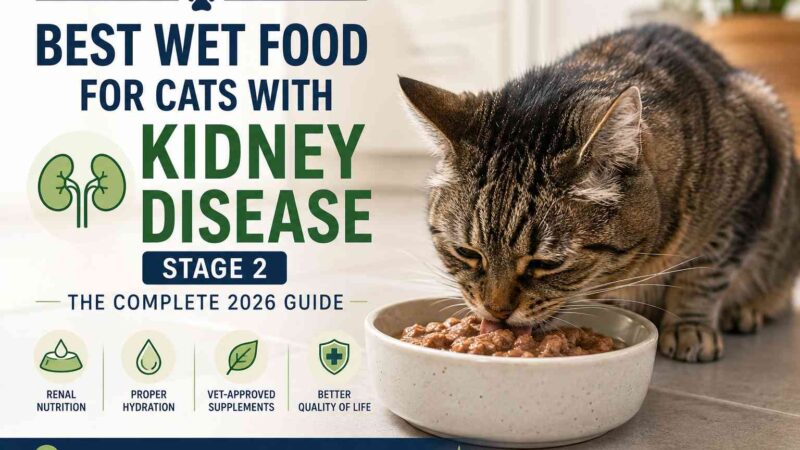
For cats with chronic kidney disease, diet is treatment. Stage 2 CKD cats need controlled phosphorus and high-quality protein in an appetising form, and our review of the best wet foods for cats with kidney disease stage 2 compares options your vet is likely to approve of. CKD cats also need close vet monitoring — diet supports the kidneys but doesn’t replace bloodwork.
Puppies & Seniors
Puppies are sponges and seniors are diplomats: both life stages reward you for adjusting your approach. With puppies, socialisation in the first few months shapes the adult dog, and alongside our potty training guide above, the single best investment is a well-run puppy class — not for obedience drills, but for safe exposure to people, dogs, sounds, and surfaces.
Senior dogs change gradually, which makes decline easy to miss. Annual (then twice-yearly) vet checks, softer exercise like swimming, orthopaedic bedding, and ramps instead of stairs all extend the good years. Breed matters enormously across a lifetime: our ultimate guide to breed-specific dog care covers how exercise, grooming, health screening, and training needs differ between breed groups — read it before you choose a breed, and again when your dog hits middle age.
Costs & Insurance
Pets cost more than most new owners expect — food, routine vet care, grooming, and boarding add up before anything goes wrong. Budget for the routine honestly, then decide how you’ll handle the emergency: a single cruciate surgery or an out-of-hours hospitalisation can run into thousands. Our complete 2026 guide to the best pet insurance for dogs compares policy types, explains waiting periods and exclusions (pre-existing conditions are the big one), and helps you work out whether insurance, a dedicated savings pot, or a hybrid makes sense for your situation.
A healthy adult dog needs a check-up once a year, and seniors (roughly age 7+, earlier for giant breeds) do best on twice-yearly visits. Puppies need a series of visits for their vaccination course. Annual exams catch weight gain, dental disease, and early lumps when they're cheapest to treat — skipping them is false economy.
For most dogs, a complete commercial diet meeting AAFCO or FEDIAF standards is the reliable choice. Grain-free, raw, and boutique diets suit some dogs but evidence for superiority is mixed, and raw carries contamination risks. Switch foods gradually over 7–10 days, measure portions, and ask your vet before changing the diet of a dog with a medical condition.
First rule out medical causes with a vet visit — urinary issues are common and painful. Then check the basics: one box per cat plus one extra, scooped daily, with unscented litter in a quiet, accessible spot. Most cases resolve with setup fixes, not punishment, which only teaches the cat to hide the behaviour.
It depends on your finances and your dog's risk profile. One emergency surgery can exceed years of premiums, but policies exclude pre-existing conditions and have waiting periods. Compare lifetime cover against accident-only policies, read the exclusions carefully, and consider a savings pot as an alternative if premiums are steep.
There's no magic age, but large and giant breeds benefit from joint-supportive nutrition early, and any dog showing stiffness, reluctance on stairs, or lagging on walks deserves a vet assessment before supplements. Weight control and appropriate exercise matter more than any pill; supplements are an adjunct, not a fix.
Conclusion
Pet care isn’t complicated, but it is cumulative: the diet you choose, the vet visits you keep, the training you do daily, and the financial buffer you build all compound over your pet’s lifetime. Start with the foundations in this guide, follow the links into whichever topic your pet needs next, and when in doubt, ask your vet — a professional who knows your animal beats any article, including this one.