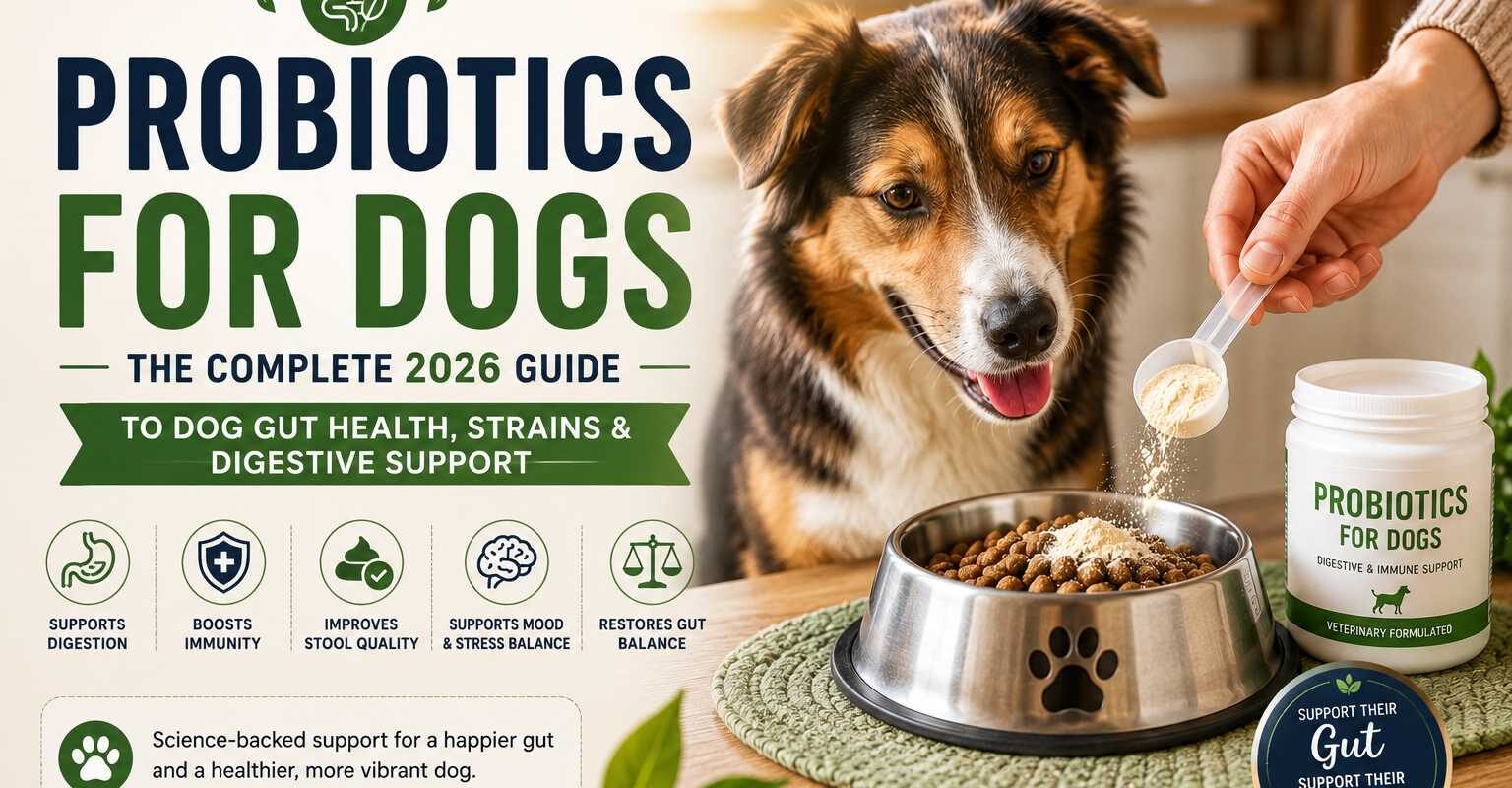
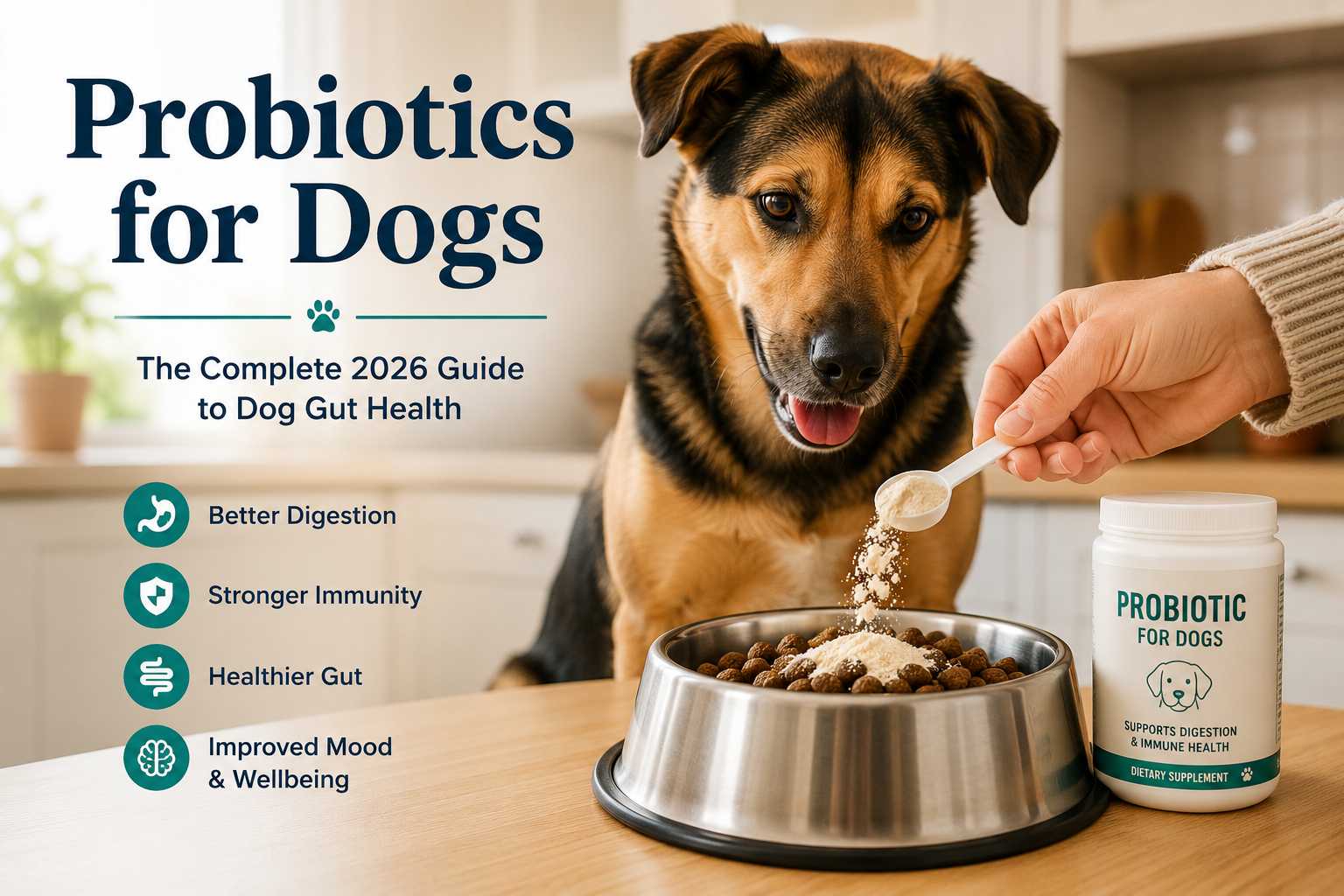
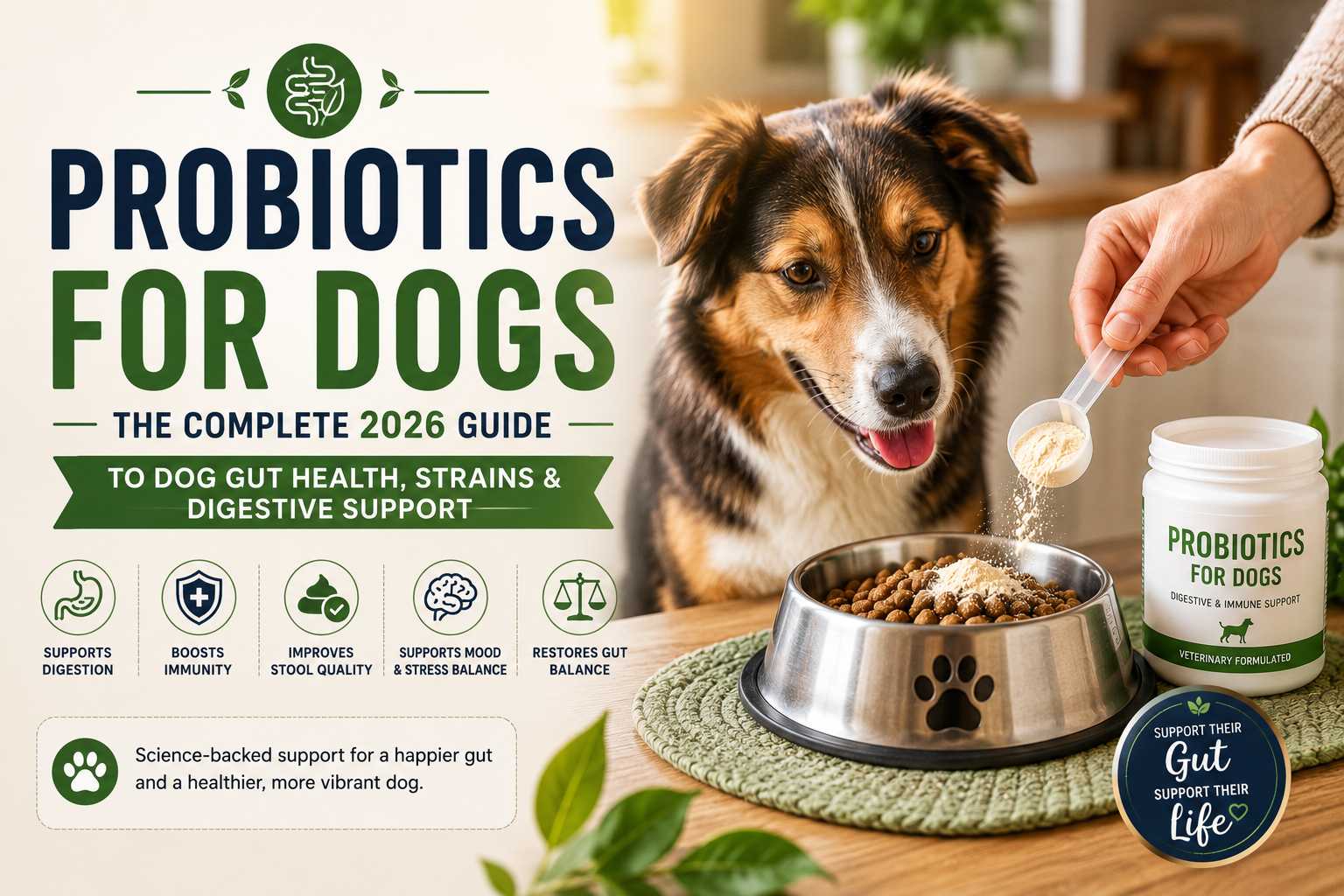
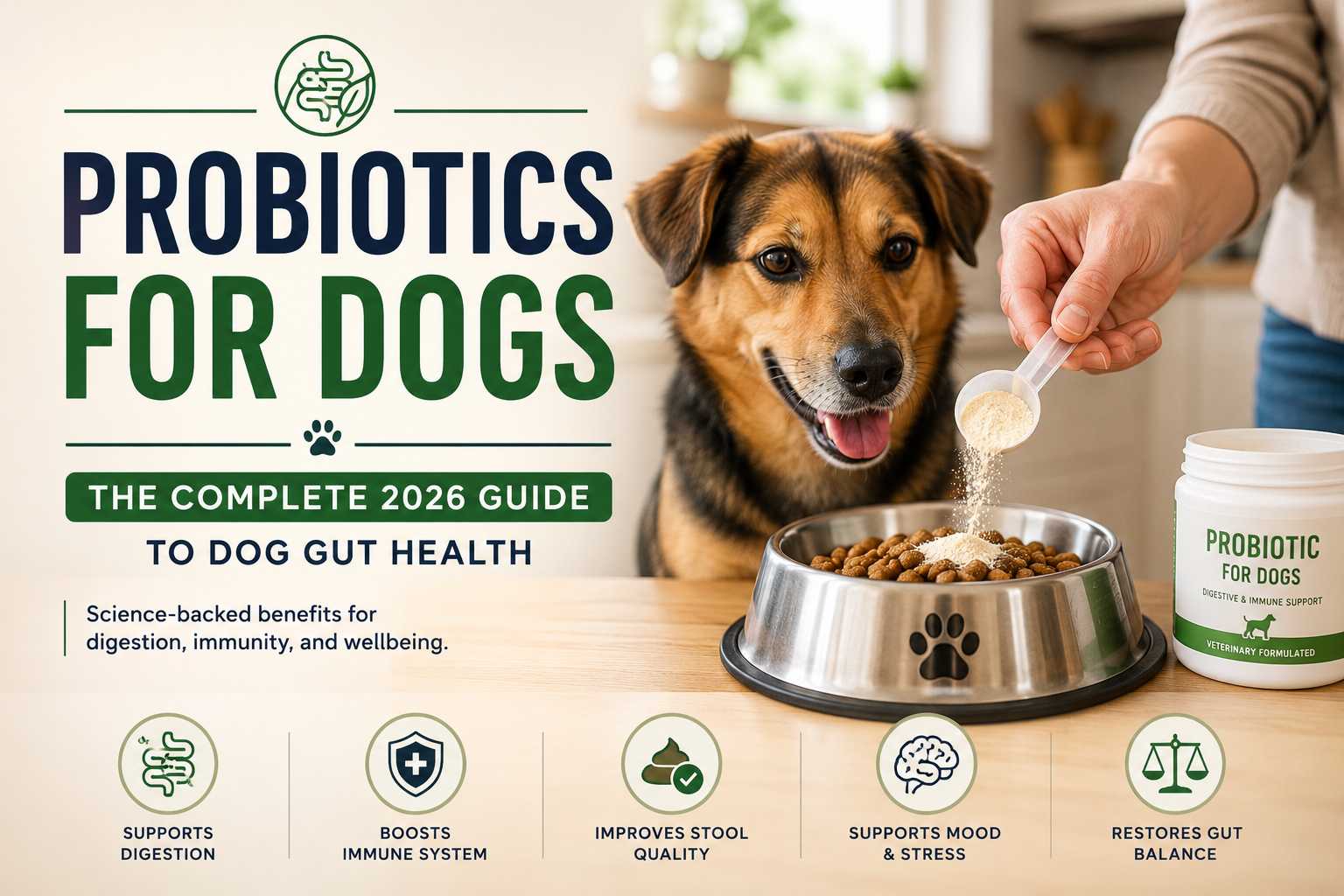
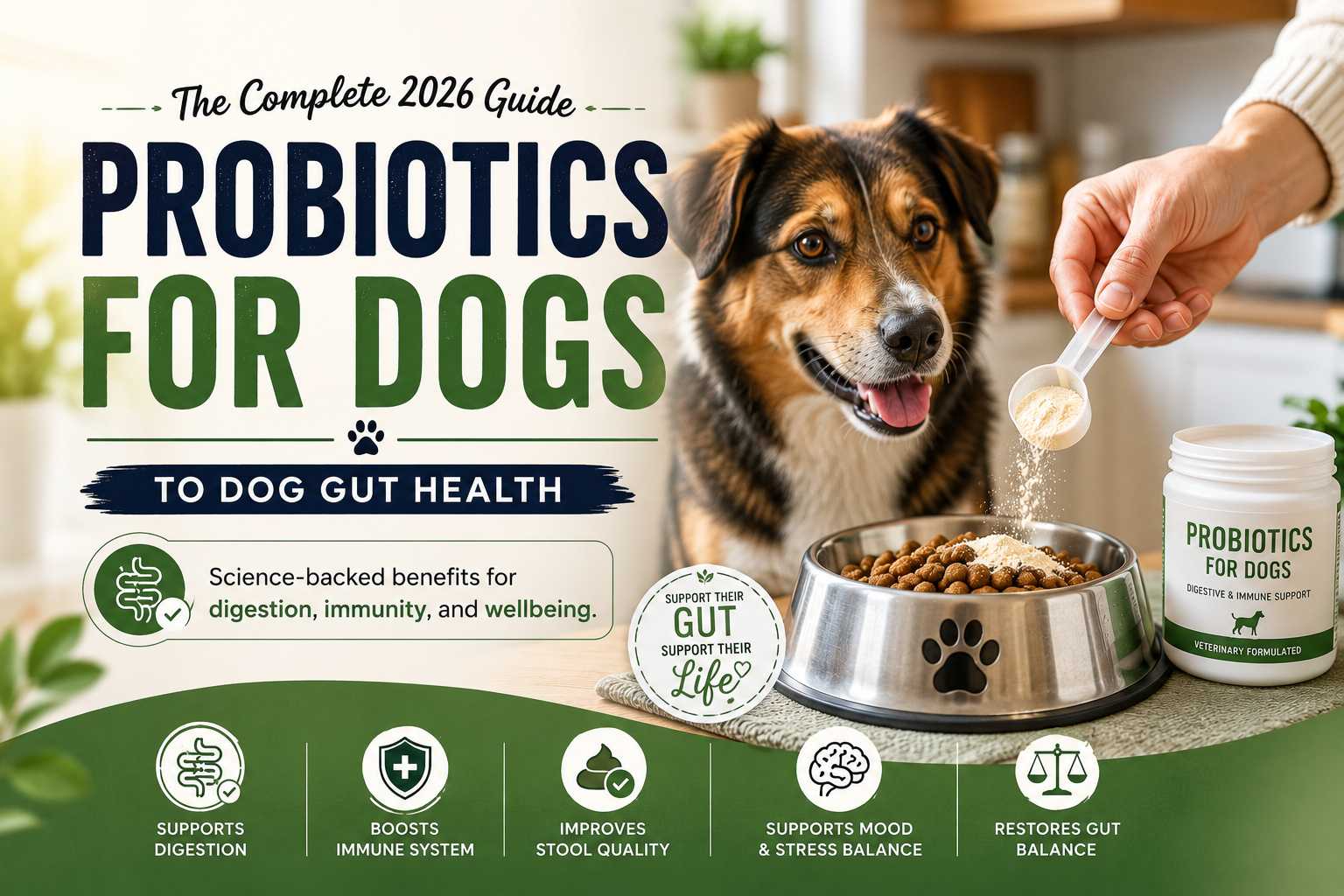
Probiotics for Dogs: The Complete 2026 Guide to Gut Health, Strains & Digestive Support
Your dog’s gut does a lot more than just digest dinner. It’s home to trillions of bacteria, fungi, and other microorganisms — collectively called the gut microbiome — that influence everything from stool quality and immune function to skin health and even mood. When that balance tips, you often see it first in the things you notice every day: loose stools after stress, a gassy dog who clears the room, a coat that’s lost its shine.
Probiotics for dogs are one of the most widely discussed tools for supporting that balance. They’re live beneficial bacteria that, when given in adequate amounts, may help stabilise and restore the gut environment. Used correctly, they’re considered safe for most dogs — and there’s a growing body of veterinary research to back up their use in specific situations.
But the supplement market is crowded and confusing. Not every product lives up to its label. And “probiotic” covers a huge range of strains, doses, and delivery formats, not all of which are equally useful or well-studied.
This guide cuts through that noise. By the end you’ll understand what probiotics are and how they work in the canine gut, which strains have the most evidence behind them, how to choose a product that’s actually worth giving your dog, how salmon oil fits into a broader digestive support plan, and the common mistakes that stop owners from seeing real results.
One thing this guide won’t do is replace a conversation with your vet. For dogs with persistent symptoms, underlying illness, or complex histories, a professional assessment should always come first.
Probiotics for dogs are live beneficial bacteria that help maintain a balanced gut microbiome. They’re most useful during and after antibiotic treatment, times of stress, dietary transitions, and bouts of mild digestive upset. Look for dog-specific formulas with named bacterial strains, a guaranteed live-culture count (CFUs) through the expiry date, and independent quality verification. Always consult your vet before starting a new supplement, especially if your dog has a health condition.
What Is the Canine Gut Microbiome?
Every dog carries a vast, dynamic community of microorganisms in their digestive tract. This community — the gut microbiome — includes bacteria, yeasts, and other microbes that live alongside your dog’s own cells, performing jobs neither host nor microbe could manage alone.
The ecosystem inside your dog’s intestines
According to the Merck Veterinary Manual, the major bacterial groups in a healthy dog’s gut include Firmicutes, Bacteroidetes, and Proteobacteria. These organisms control potential pathogens through direct competition, release compounds that kill harmful bacteria, and continuously stimulate and educate the immune system. Roughly 70% of a dog’s immune system is associated with the gastrointestinal tract, as noted by Cornell University’s Richard P. Riney Canine Health Center — which makes gut health genuinely central to overall health, not just digestion.
These microbial populations also produce short-chain fatty acids (SCFAs) that protect the gut lining, regulate inflammation, and influence energy metabolism. They help synthesise certain vitamins and play a role in neurotransmitter pathways linked to the gut-brain axis.
What is dysbiosis — and why does it matter?
When the balance of this microbial community is disrupted — either by a drop in beneficial species, an overgrowth of harmful ones, or a loss of overall diversity — the condition is called dysbiosis. According to research published in the Frontiers in Veterinary Science journal, gut dysbiosis in dogs is associated with decreased diversity and a drop in bacteria responsible for producing short-chain fatty acids. The dvm360 clinical journal notes that dysbiosis is connected to gastrointestinal distress, skin microbiome imbalances (leading to itching and hot spots), and even behavioural changes via the gut-brain axis.
Common signs that your dog’s gut microbiome may be out of balance include:
- Recurring loose stools or diarrhea
- Excessive gas or bloating
- Bad breath unrelated to dental disease
- Itchy or dull skin and coat
- Frequent ear infections
- Low energy or changes in mood
- Poor stool consistency even on a consistent diet
Important caveat: these signs can also point to other health conditions entirely. A veterinary assessment is the only way to know whether gut imbalance is genuinely the cause.
What disrupts the microbiome?
As the American Kennel Club explains, several common situations can tip the gut out of balance: antibiotic treatment (which kills beneficial bacteria alongside harmful ones), sudden dietary changes, emotional or physical stress, illness, travel, boarding, and changes in household routine. Even the stress of a vet visit can trigger a bout of colitis in sensitive dogs. These are precisely the situations where probiotic support tends to be most useful.
What Are Probiotics — and What Do They Actually Do?
The word “probiotic” comes from the Latin pro (for) and the Greek bios (life). PetMD defines them as beneficial microorganisms that support digestion, immune health, and overall wellbeing when consumed in adequate amounts.
The key phrase there is “adequate amounts.” A probiotic only does anything useful if enough live bacteria survive the journey through the stomach acid and bile in the small intestine and actually arrive in the large intestine where they can do their job. Not all products — and not all strains — are equally good at making that trip.
Prebiotics, probiotics, postbiotics — what’s the difference?
These three terms often appear together but refer to very different things:
- Probiotics — live beneficial microorganisms (bacteria or yeast) that, in sufficient quantities, may improve gut health.
- Prebiotics — dietary fibres (such as fructooligosaccharides/FOS and inulin) that feed and support the growth of beneficial bacteria already living in the gut. According to the Merck Veterinary Manual, prebiotics may increase numbers of lactobacilli and bifidobacteria while decreasing potential pathogens like E. coli and Clostridium perfringens.
- Postbiotics — non-living microbial byproducts or compounds that may support normal gut function. A newer and still-emerging area of research.
- Synbiotics — products that combine probiotics and prebiotics together.
Many dog gut-health supplements on the market are actually synbiotics — combining live bacteria with a prebiotic fibre to help those bacteria thrive. These can be a sensible choice, though they don’t suit every dog, particularly those with high-FODMAP sensitivities who may find fermentable fibres trigger gas.
How probiotics work in the canine gut
The Merck Veterinary Manual describes several mechanisms by which probiotics may benefit the gut: decreasing intestinal permeability (helping prevent “leaky gut”), increasing mucin production (which protects the gut wall), generating short-chain fatty acids, stimulating IgA (an important immune antibody), and helping regulate intestinal pH to create conditions less hospitable to pathogens. The underlying mechanisms are still being studied and not all are equally well evidenced across species and strains.
It’s also worth noting that most probiotics act temporarily. Merck Veterinary Manual notes that intestinal microbiota is generally stable and, even if temporarily altered, will often revert toward its original state. This is one reason why consistent, daily administration tends to produce better sustained results than sporadic use.
Benefits of Probiotics for Dogs
The research base for canine probiotics is growing, though it’s more limited than in human medicine. Veterinary scientists are cautious about making sweeping claims, and the honest picture is that some benefits are fairly well supported while others are still emerging. Here’s what current evidence suggests, with appropriate caveats.
Digestive support and diarrhea
This is the most studied use of probiotics in dogs. PetMD notes that research has shown certain species of Lactobacillus and Bifidobacterium can support stool quality, and that Enterococcus faecium has been shown to shorten the course of diarrhea in dogs. According to the AKC, a 2019 study found that dogs given a probiotic blend alongside antibiotics experienced fewer digestive issues — including diarrhea, vomiting, and loss of appetite — compared to dogs not given probiotics.
Probiotics appear to be particularly useful for stress-induced diarrhea, antibiotic-associated diarrhea, and mild dietary indiscretion. They are not typically a standalone treatment for severe, persistent, or bloody diarrhea, which requires veterinary attention.
Immune support
Given that most of a dog’s immune defences are located in and around the gastrointestinal tract, a balanced microbiome directly supports immune function. A review published on PubMed Central found that probiotics have shown positive effects on gut health in dogs and may alleviate some intestinal diseases. PetMD notes that certain probiotic strains may modulate the immune system and regulate inflammatory molecules.
Skin and allergies
The gut-skin connection in dogs is an active area of research. A 2025 study from Seoul National University, published in BMC Microbiology, found that probiotics may help dogs with atopic dermatitis (allergic skin disease) by modulating dysbiosis in the gut microbiome. PetMD also notes that dogs with canine atopic dermatitis have been found to have lower gut microbiome diversity than healthy dogs — a finding that opens the door to gut-focused interventions. Research here is still evolving and results are not guaranteed.
Behavioural calm
Some strains — notably Bifidobacterium longum BL999 — have been studied for their potential to support calm behaviour in dogs, particularly during stress. As PetMD explains, this appears to operate through the gut-brain axis, the bi-directional communication pathway between the gut microbiome and the nervous system. This is a promising area, but the evidence base is not yet large enough to make confident claims.
Probiotic Strains: What the Evidence Says
Not all probiotic strains do the same thing. Choosing a supplement based on strain specificity — rather than just “probiotic” on the label — is one of the most important decisions you can make. Here’s a practical overview of the strains most commonly found in canine products and what the research suggests about each.
| Strain | Primary evidence of benefit | Notes |
|---|---|---|
| Enterococcus faecium SF68 | Shortened duration of diarrhea; supports stool quality; may support immune function in puppies | One of the most studied strains in canine products; found in Purina Pro Plan FortiFlora |
| Lactobacillus acidophilus | Supports nutrient absorption; helps maintain gut microflora balance; may help with hard stools or constipation | Commonly included in multi-strain formulas; studied in dogs and cats |
| Bifidobacterium animalis AHC7 | Shown to support dogs with diarrhea, including acute diarrhea in senior dogs | Particularly studied in older dogs |
| Bifidobacterium longum BL999 | Associated with calmer behaviour and reduced stress responses | Some evidence for anxiety-related applications; not yet widely replicated |
| Saccharomyces boulardii | Supports intestinal resilience and stool consistency; gut lining support | A beneficial yeast (not a bacterium); resistant to antibiotics (not killed by antibiotic treatment) |
| Lactobacillus rhamnosus LGG | May help address diarrhea; well studied in humans, some canine evidence | Human evidence is stronger; extrapolation to dogs should be cautious |
| Bacillus coagulans | Supports gut health during occasional digestive upset; good heat stability | Spore-forming — survives stomach acid well; suitable for chew formats |
Sources: AKC — What’s Actually In Your Dog’s Probiotics?; PetMD — Probiotics for Dogs; AKC — How Probiotics Work at Every Stage.
Multi-strain vs. single-strain: which is better?
The general view among pet nutrition experts is that multi-strain formulas offer broader support than single-strain products, because different strains target different parts of the gut and different functions. However, if your vet has identified a specific issue — such as antibiotic-associated diarrhea — a single well-studied strain may be more appropriate than a complex multi-strain blend. When in doubt, ask your vet to help you match strain to need.
How to Choose the Best Probiotic for Your Dog
Walk into any pet shop and you’ll face a wall of supplements all claiming to support gut health. Here’s how to actually distinguish a quality product from marketing noise.
Check the label for these five things
- Named strains — The label should list the specific species and, ideally, the strain designation (e.g., Enterococcus faecium SF68, not just “beneficial bacteria”). Generic names are a red flag.
- CFU guarantee through expiry — CFU (colony-forming units) measures the number of live bacteria per serving. This number needs to be guaranteed at the time of use (expiry date), not just at the time of manufacture — because bacteria die during storage.
- Dog-specific formulation — As PetMD explains, the canine gut microbiome differs from the human gut, so dog-specific products are preferable to human probiotics repurposed for pets.
- Appropriate storage instructions — Some strains require refrigeration to maintain viability; others are shelf-stable. Follow the label; storing a refrigerated product at room temperature renders it ineffective.
- Quality certification — In the USA and internationally, look for the NASC Quality Seal (National Animal Supplement Council). This indicates the manufacturer has met quality control and adverse event reporting standards. Other quality markers include AAFCO-compliant ingredient sourcing and third-party testing.
Formats: powder, chew, capsule, or food?
Powder and capsule formats tend to provide higher, more accurately dosed live bacteria counts than soft chews, which require binding agents and heat during manufacture that can reduce viable bacteria. Chews are often easier to give (many dogs accept them as treats) but may be less potent per unit. Dog foods that contain probiotics often list low viable counts. For targeted therapeutic use, a powder or capsule is generally preferred. For general daily maintenance in an otherwise healthy dog, a quality chew can be practical and sufficient.
Should I choose a human probiotic for my dog?
According to PetMD, human probiotics are not harmful to dogs, but they may not provide the same benefits because dogs have a different gut microbiome from people. The strains most studied in canine health — such as Enterococcus faecium SF68 — are not typically found in human supplements. Dog-specific products are a better choice where available.
How much do probiotics cost — and is price a guide to quality?
Probiotic prices vary widely across regions (US, UK, Canada, Australia, New Zealand) and formats. Price alone is not a reliable guide to quality. Focus on the label criteria above rather than cost. A cheaper product with named strains and a verified CFU count through expiry will often outperform an expensive product with vague labelling.
Salmon Oil & Dog Gut Health: Where It Fits In
Salmon oil has earned its place in the canine supplement conversation, not as a probiotic but as a complementary approach to gut and whole-body health. Understanding the distinction — and the genuine evidence — helps you use it wisely.
What salmon oil actually contains
Salmon oil is rich in long-chain omega-3 fatty acids, primarily EPA (eicosapentaenoic acid) and DHA (docosahexaenoic acid). As the AKC explains, dogs cannot produce omega-3 fatty acids on their own and must get them through their diet. Most commercial dog foods are relatively low in omega-3s and higher in omega-6s; the imbalance matters because omega-6s, in excess, can promote inflammation, while omega-3s have the opposite effect.
How omega-3s support gut health
PetMD notes that fish oil is beneficial for its anti-inflammatory effects and positive effects on the immune system. Research cited on the Dragonfly Products resources page suggests that omega-3 fatty acids may support a more balanced and diverse gut microbiome, and that their anti-inflammatory properties may help alleviate gastrointestinal conditions such as diarrhea, vomiting, or irritable bowel symptoms.
Salmon oil does not introduce live bacteria to the gut — it doesn’t function as a probiotic. What it does is reduce inflammation in the gut lining, which creates a more hospitable environment for beneficial bacteria to thrive. Think of probiotics and salmon oil as working on different but complementary levers: one introduces good bacteria, the other reduces the inflammatory conditions that make it harder for them to survive.
Other benefits of salmon oil for dogs
The well-evidenced benefits of salmon oil in dogs, according to the AKC, include: supporting heart health, promoting a healthy skin and coat, reducing itch and flakiness, providing joint support (research has shown omega-3s may help with canine arthritis), and supporting cognitive function in senior dogs. DHA is also important for brain and eye development in puppies.
Choosing and storing salmon oil
Wild-caught salmon oil — particularly Alaskan wild-caught — is generally preferred over farmed, as wild salmon contains higher natural omega-3 levels. Fish oil is prone to oxidation: once opened, store it in a dark bottle in the refrigerator, and discard it if it develops an off or rancid smell. Always follow the dosing guidance on the product label and check with your vet before starting, particularly for dogs with bleeding disorders or those taking anticoagulant medication, as high-dose omega-3s can affect blood clotting.
Probiotics at Every Life Stage
A puppy’s gut and a senior dog’s gut face very different challenges. The right approach to probiotic support isn’t the same across a dog’s lifetime.
Puppies
Puppies can safely take dog-specific probiotics. As PetMD explains, this may help them build a balanced intestinal bacterial community that supports a healthy immune system and reduces the incidence of diarrhea and digestive infections. The AKC notes that Enterococcus faecium SF68 may support immune function and growth during a puppy’s developmental stage. DHA from salmon oil also supports brain and eye development during the same period, making it a valuable companion supplement.
Adult dogs
Healthy adult dogs can benefit from probiotics as daily maintenance or in response to specific triggers. According to the AKC, giving probiotics a few days before a known stressful event — boarding, a dog show, or a house move — is a sensible preventive strategy for stress-sensitive dogs. Consistency matters more than dose; a moderate daily routine outperforms high-dose sporadic use.
Senior dogs
As dogs age, they may experience more frequent digestive upsets, changes in stool quality, and age-related sensitivities. The AKC notes that Lactobacillus rhamnosus LGG and Bifidobacterium animalis AHC7 have been studied to support senior dogs with diarrhea, and that Bifidobacterium longum BL999 may offer some support for anxiety or dementia-related stress in older dogs. The AKC Canine Health Foundation has noted that while clinical signs of gut disease improve relatively quickly, full microbiome recovery can take up to a year — a reminder that gut support in senior illness needs to be sustained over time.
What Recent Research Shows
The science of canine gut health is moving quickly. Here’s a summary of real, linkable findings from the past two years, presented with appropriate context about what each tells us.
Probiotics and canine atopic dermatitis (2025)
A study published in April 2025 by researchers at Seoul National University, available via PubMed Central, found that probiotic supplementation reduced the severity of atopic dermatitis symptoms in dogs by modulating gut microbiome dysbiosis. Dogs with atopic dermatitis showed different gut microbiome profiles compared to healthy controls. While this is a meaningful finding, it’s from a single study; more research is needed before probiotics can be recommended as a primary treatment for canine skin conditions.
Short-term colonic fermentation model (September 2025)
A study published in Fermentation journal (MDPI) used an in vitro colonic fermentation model to test a multi-strain probiotic (containing Lacticaseibacillus casei, Limosilactobacillus fermentum, Levilactobacillus brevis, and Enterococcus faecium) on canine gut microbiota samples. Probiotic-supplemented reactors showed significantly greater fermentative activity and lower pH — both markers of a healthier gut environment. This is laboratory-based evidence rather than a clinical trial, so the findings support the biological plausibility of probiotics rather than confirming clinical outcomes.
Canine-derived probiotic strains: an emerging frontier (2025–2026)
A significant development in 2025 was the announcement of a partnership between Native Microbials and Zesty Paws (reported by dvm360) to develop supplements using microbial strains derived directly from healthy canine guts. The principle is that strains native to the dog’s own species may be better adapted to colonise the canine gut than human-derived strains. This is an early-stage development — products were expected to launch in 2026 — and the clinical evidence will take time to emerge.
Gut microbiome and IBD recovery (AKC Canine Health Foundation)
Research supported by the AKC Canine Health Foundation found that while clinical signs in dogs with inflammatory bowel disease improved within 8 weeks of standard treatment, full microbiome recovery can take up to a year. This underscores that supporting the gut microbiome is a long-term commitment for dogs with chronic conditions, not a quick fix.
Comprehensive PMC review (2025)
A comprehensive review of probiotic use in canine diets, published in May 2025 via PubMed Central, concluded that incorporating probiotics into canine diets supports a balanced gut microbiota, promotes overall digestive health and resilience, and may reduce the need for antibiotics (which can themselves disrupt gut flora and contribute to resistance). The review acknowledged that mechanisms are “largely unresolved” — meaning we can see that probiotics work in many cases, but the precise how is still being investigated.
Common Mistakes Dog Owners Make with Probiotics
It’s tempting to share your own probiotic capsule with your dog — it seems convenient and identical in principle. But human-formulated products contain strains selected and dosed for the human gut microbiome, which is different from a dog’s. They may pass through without establishing, and the doses are calibrated for human body weight.
Labels that say only “beneficial bacteria” or “live cultures” without naming the specific genus, species, and ideally strain give you no information about what you’re actually giving your dog. The research behind probiotics is strain-specific — what holds for one strain doesn’t necessarily hold for another.
A probiotic that was alive at manufacture but has degraded in transit or on the shelf is essentially inert. Many products guarantee CFU at manufacture but not at use. Products that require refrigeration but have been stored at room temperature may have very few viable bacteria remaining by the time you give them to your dog.
Probiotics are a supportive supplement, not a medicine. Signs like persistent diarrhea, blood in stools, significant weight loss, lethargy, vomiting, or a dog that refuses to eat need a veterinarian — not a probiotic. Delaying proper diagnosis while waiting for a supplement to work can allow underlying illness to worsen.
Because probiotic strains generally do not permanently colonise the gut, their effects tend to be sustained by ongoing daily administration. Giving them occasionally or only when a problem arises limits their usefulness. Many owners notice improvements and then stop — only to find the issues return.
Plain, unsweetened yogurt with live cultures can provide some beneficial bacteria, and it’s not harmful to most dogs. But as the AKC notes, not all yogurt cultures are created equal — some were used in manufacturing and are not true probiotics. Yogurt also contains lactose, which many dogs digest poorly, and commercial varieties may contain artificial sweeteners (including xylitol, which is toxic to dogs).
Supplement marketing language like “clinically proven,” “vet-recommended,” or “scientifically formulated” is largely unregulated. These phrases may refer to internal studies, general research into a single strain, or simply nothing at all. Extraordinary claims — curing allergies, eliminating anxiety, reversing chronic disease — are red flags.
Evidence-Based Recommendations
The following recommendations reflect what current veterinary guidance and research suggest for supporting your dog’s gut health. They are framed as general guidance, not individual medical advice — always work with your vet to tailor any supplement plan to your specific dog.
- Choose dog-specific probiotic products with named strains, a guaranteed CFU count through expiry, and quality certification (such as the NASC Quality Seal in the USA, or equivalent standards in your country). Read labels critically.
- Consider starting or increasing probiotic use around known gut stressors: antibiotic courses, dietary transitions, boarding, travel, and periods of emotional stress. Starting a few days before the stressor — not just after — is a commonly recommended approach.
- Maintain consistent, daily administration rather than sporadic use, since most probiotic strains do not permanently colonise the gut and require ongoing provision to sustain their effects.
- Pair probiotics with a fibre-rich, balanced diet to provide the prebiotics that help beneficial bacteria thrive. Natural prebiotic foods include pumpkin (plain, unseasoned), sweet potato, and certain leafy greens — always within appropriate portions and with vet guidance for dogs with dietary restrictions.
- Consider adding a quality salmon oil supplement to support the anti-inflammatory environment in which a healthy microbiome can flourish, as well as to provide EPA and DHA for skin, joint, heart, and cognitive health. Follow label dosing and store in the refrigerator once opened.
- For dogs with chronic skin issues, frequent ear infections, or recurrent digestive problems, ask your vet whether a gut-microbiome assessment — including a canine dysbiosis index — might help guide your supplement choices more precisely than guesswork.
- Monitor stool quality consistently when starting any new probiotic. Healthy stools are formed, log-shaped, and brown. Persistent looseness, constipation, or any sign of blood warrants veterinary attention rather than supplement adjustment.
- Do not use probiotics as the sole intervention for a dog that is severely unwell, refusing food, vomiting repeatedly, or showing signs of dehydration. These are medical emergencies, not supplement situations.
Frequently Asked Questions
What do probiotics actually do for dogs?
Probiotics introduce beneficial bacteria into your dog’s gut, helping to maintain a balanced microbial community. According to the Merck Veterinary Manual, they may decrease intestinal permeability, increase mucin production, generate short-chain fatty acids, stimulate IgA (an immune antibody), and help regulate intestinal pH. Effects vary by strain, dose, individual dog, and health status. The most consistent evidence is for digestive support during antibiotic treatment, stress, and dietary changes.
What is the best probiotic for dogs?
There is no single best probiotic for all dogs — the right choice depends on your dog’s specific needs, age, size, and any health conditions. Look for dog-specific formulas with named strains (such as Enterococcus faecium SF68, Lactobacillus acidophilus, Bifidobacterium animalis AHC7, or Saccharomyces boulardii), a CFU count guaranteed through the expiry date, and quality certification such as the NASC Quality Seal. Purina Pro Plan FortiFlora is one of the most widely researched single-strain products. Multi-strain synbiotic formulas are popular for daily maintenance. Always involve your vet in the decision.
How long does it take for probiotics to work in dogs?
Many owners notice changes in stool consistency or digestive comfort within a few days to two weeks of consistent daily use. Meaningful shifts in gut microbiome diversity tend to take longer. Research on dogs with gastrointestinal disease — highlighted by the AKC Canine Health Foundation — suggests microbiome recovery can take months even after clinical signs improve. If you see no improvement after four weeks of consistent use for a mild issue, speak to your vet.
Can I give my dog human probiotics?
As PetMD explains, human probiotics are not harmful to dogs, but they are formulated for the human gut microbiome, which differs from a dog’s. Strains that are most useful and well-studied in canine guts are typically not found in human products. Dog-specific formulas are a better choice because they contain strains selected for canine digestive systems and are dosed for appropriate body weight.
When should I give my dog probiotics?
Probiotics are commonly recommended during and after antibiotic treatment, during times of stress (boarding, moving, travelling), after dietary changes, during mild illness-related digestive upset, and as daily maintenance for dogs prone to sensitive stomachs. The AKC notes that starting a few days before a known stressful event, such as boarding, can be a sensible preventive measure. Follow label instructions for dosing and timing (most work well given with food).
What are the signs my dog might benefit from a probiotic?
Common signs that a dog’s gut microbiome may need support include recurrent loose stools or diarrhea, excessive gas, bad breath, bloating, a dull coat, itchy skin, and frequent ear infections. These signs can also indicate other health conditions, so a veterinary assessment is important first. Probiotics are a supportive tool to use alongside, not instead of, proper diagnosis.
Is salmon oil good for dog gut health?
Salmon oil is a rich source of omega-3 fatty acids (EPA and DHA) with well-documented anti-inflammatory properties. While it is not a probiotic, the AKC explains that omega-3s can help reduce inflammation — including intestinal inflammation — and support immune function. Emerging evidence also suggests omega-3s may support a more balanced gut microbiome. It complements probiotic use by creating a healthier environment for beneficial bacteria. Always follow label dosing and check with your vet, especially for dogs on medication.
Are there side effects of probiotics for dogs?
Probiotics are generally considered safe for most healthy dogs. Some dogs experience mild, temporary gas or loose stools when first starting a new supplement — this usually settles within a few days. Probiotics are typically not recommended for dogs who are severely immunocompromised. If side effects persist or worsen, stop the supplement and consult your veterinarian. Starting with a lower dose and gradually increasing can help sensitive dogs adjust.
Should puppies take probiotics?
Yes, puppies can safely take dog-specific probiotics. PetMD notes that this may help them build a balanced intestinal bacterial community, supporting a healthy immune system and reducing digestive infections. Choose products appropriate for a puppy’s smaller weight. Strains like Enterococcus faecium SF68 have been studied in young dogs specifically. Pair with an appropriate puppy diet and regular vet check-ups. Always consult your vet before starting any supplement in young animals.
Conclusion: Small Bacteria, Big Difference
Your dog’s gut is a complex ecosystem — and like any ecosystem, what you put into it matters. Probiotics for dogs are one of the better-supported nutritional tools we have for maintaining digestive balance, particularly during the situations that most often knock it out of kilter: antibiotic treatment, dietary changes, stress, illness, and ageing.
The key takeaways from everything we’ve covered: strain specificity matters (not all probiotics are the same); consistent daily use beats sporadic doses; storage conditions directly affect whether the bacteria you’re paying for are even alive when your dog eats them; and no supplement replaces a veterinary diagnosis when something is genuinely wrong.
Salmon oil doesn’t do the same job as a probiotic, but it works in a complementary way — reducing gut inflammation and potentially supporting microbiome diversity through a different mechanism. Together, they’re a sensible foundation for a dog gut health routine.
The research in this field is moving fast. Canine-native probiotic strains, precision microbiome testing, and a better understanding of the gut-brain-skin axis in dogs are all active areas of investigation. What we already know is enough to make genuinely helpful choices for most dogs right now — you just have to know what to look for on a label and when to ask your vet.
For individual health decisions — especially for dogs with chronic conditions, complex medical histories, or persistent symptoms — please consult your veterinarian. They can help you match specific strains, doses, and formats to your dog’s actual situation, rather than relying on general guidance. That’s always the best starting point.
📖 More from LifeWellGuide Pet Care
References
- American Kennel Club — Probiotics for Dogs — AKC — 2026 — https://www.akc.org/expert-advice/nutrition/probiotics-for-dogs/
- American Kennel Club — What’s Actually In Your Dog’s Probiotics? — AKC — January 2026 — https://www.akc.org/expert-advice/health/whats-in-dog-probiotics/
- American Kennel Club — How Probiotics Work in Every Stage of a Dog’s Life — AKC — March 2026 — https://www.akc.org/expert-advice/health/dog-probiotics-stages-of-life/
- American Kennel Club — Fish Oil for Dogs: What to Know — AKC — November 2025 — https://www.akc.org/expert-advice/nutrition/fish-oil-for-dogs/
- American Kennel Club — What to Add to Your Dog’s Diet to Boost Gut Health — AKC — December 2025 — https://www.akc.org/expert-advice/nutrition/dog-diet-gut-health/
- AKC Canine Health Foundation — Gut Microbiome Recovery in IBD — AKCCHF — October 2025 — https://www.akcchf.org/breakthrough/gut-microbiome-recovery-in/
- PetMD — Probiotics for Dogs: Does Your Dog Need Them? — PetMD — July 2025 — https://www.petmd.com/dog/general-health/probiotics-dogs-what-you-need-know
- PetMD — 9 Best Probiotics for Dogs in 2025 — PetMD — April 2026 — https://www.petmd.com/dog/vet-verified/best-probiotics-for-dogs
- PetMD — Fish Oil for Dogs: Benefits, Dosage, and Vet Pick — PetMD — June 2025 — https://www.petmd.com/dog/general-health/fish-oil-for-dogs
- Merck Veterinary Manual — Modifying the Intestinal Microbiota in Animals — Merck — 2024 — https://www.merckvetmanual.com/immune-system/modifying-the-intestinal-microbiota/modifying-the-intestinal-microbiota-in-animals
- Merck Veterinary Manual — Role of the Intestinal Microbiota in Animals — Merck — 2023 — https://merckvetmanual.com/immune-system/the-biology-of-the-immune-system/the-role-of-the-microbiota-in-animals
- Song, H. et al. — Probiotics ameliorate atopic dermatitis by modulating the dysbiosis of the gut microbiota in dogs — BMC Microbiology / PMC — April 2025 — https://www.ncbi.nlm.nih.gov/pmc/articles/PMC12012994/
- MDPI Fermentation — Assessing Probiotic Efficacy: Short-Term Impact on Canine Gut Microbiota Using an In Vitro Colonic Fermentation Model — September 2025 — https://www.mdpi.com/2813-9372/2/4/33
- PMC / MDPI — Influence of Probiotic Administration in Canine Feed: A Comprehensive Review — May 2025 — https://pmc.ncbi.nlm.nih.gov/articles/PMC12115967/
- PMC — Gut Probiotics and Health of Dogs and Cats: Benefits, Applications, and Underlying Mechanisms — PMC — https://pmc.ncbi.nlm.nih.gov/articles/PMC10609632/
- PMC — The Role of the Canine Gut Microbiome and Metabolome in Health and Gastrointestinal Disease — PMC — https://www.ncbi.nlm.nih.gov/pmc/articles/PMC6971114/
- dvm360 — Decoding Dysbiosis — dvm360 — March 2026 — https://www.dvm360.com/view/decoding-dysbiosis
- dvm360 — Canine supplements to feature novel canine gut microbial species — dvm360 — May 2026 — https://www.dvm360.com/view/canine-supplements-to-feature-novel-canine-gut-microbial-species
- Dragonfly Products — 16 Benefits of Salmon Oil for Dogs — January 2024 — https://dragonflyproducts.co.uk/blogs/dog-nutrition/dog-benefits-salmon-oil
- Frontiers in Veterinary Science — Impact of Saccharomyces cerevisiae on the intestinal microbiota of dogs with antibiotic-induced dysbiosis — February 2025 — https://www.frontiersin.org/journals/veterinary-science/articles/10.3389/fvets.2025.1462287/full
© 2026 Life Well Guide. Written by the LifeWellGuide Editorial Team. Life Well Guide participates in affiliate programmes and may earn commissions from qualifying purchases. This does not influence our editorial content. See our disclaimer.