
Senior Dog Health · 2026
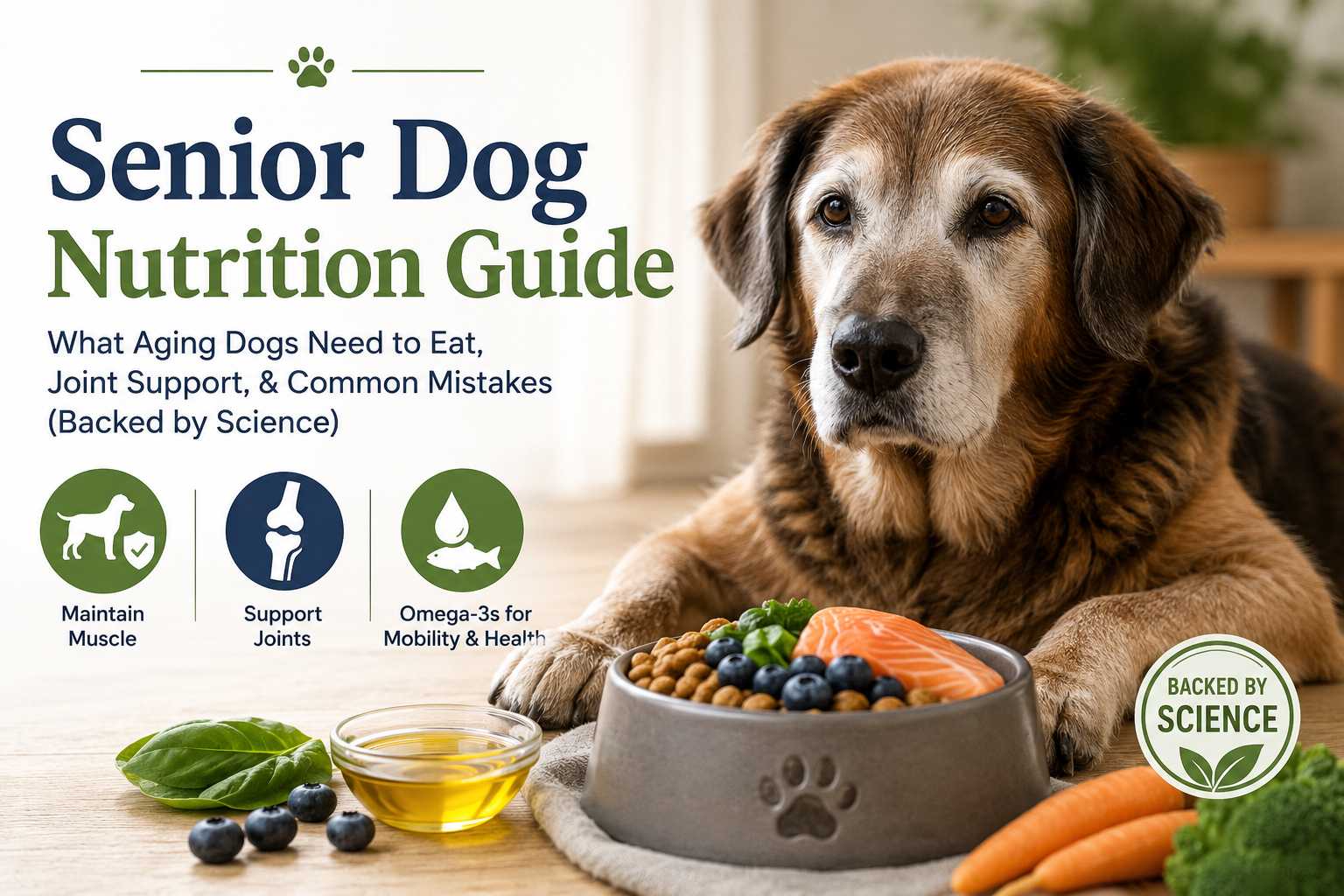
Senior Dog Nutrition & Joint Care: The Complete 2026 Guide
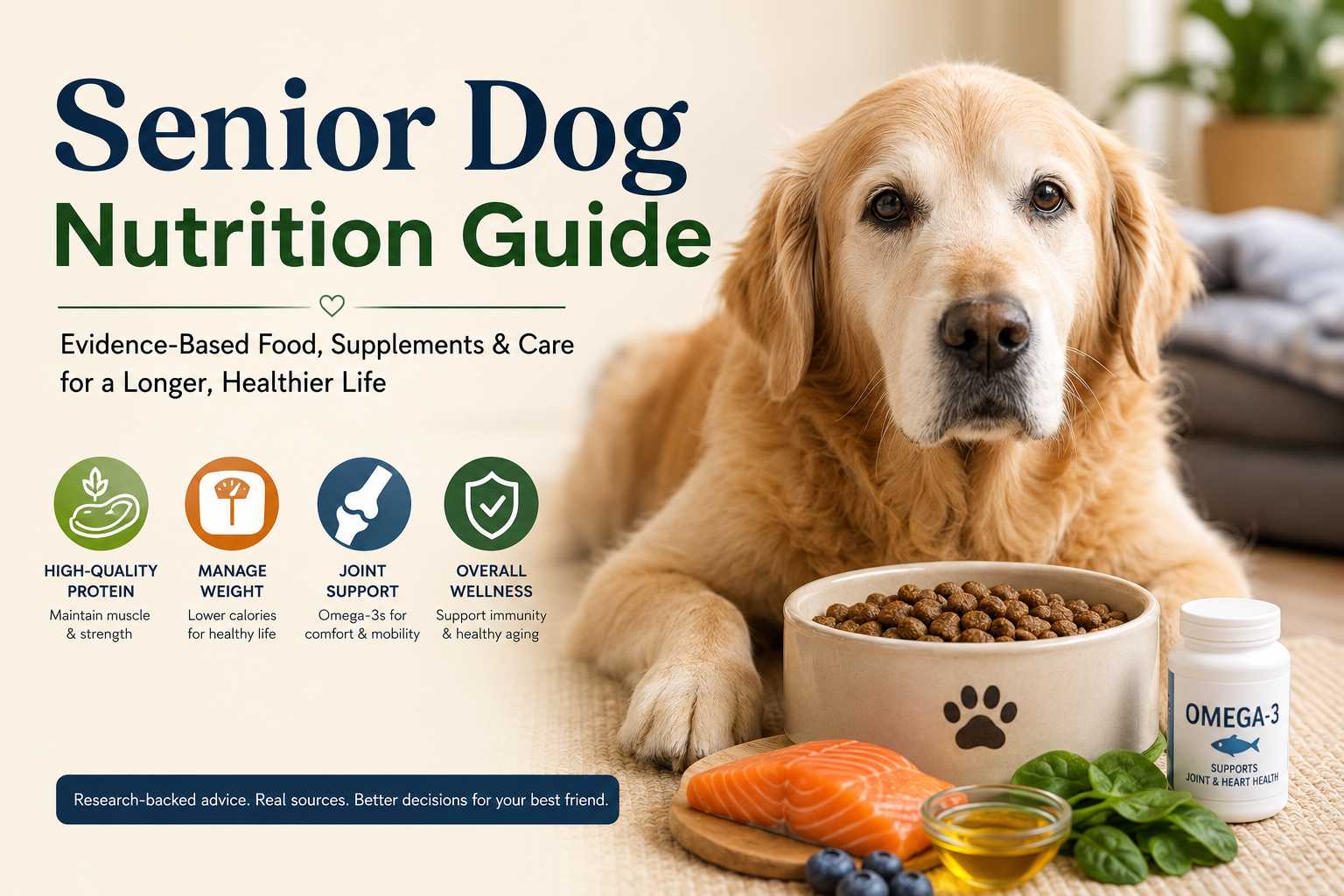
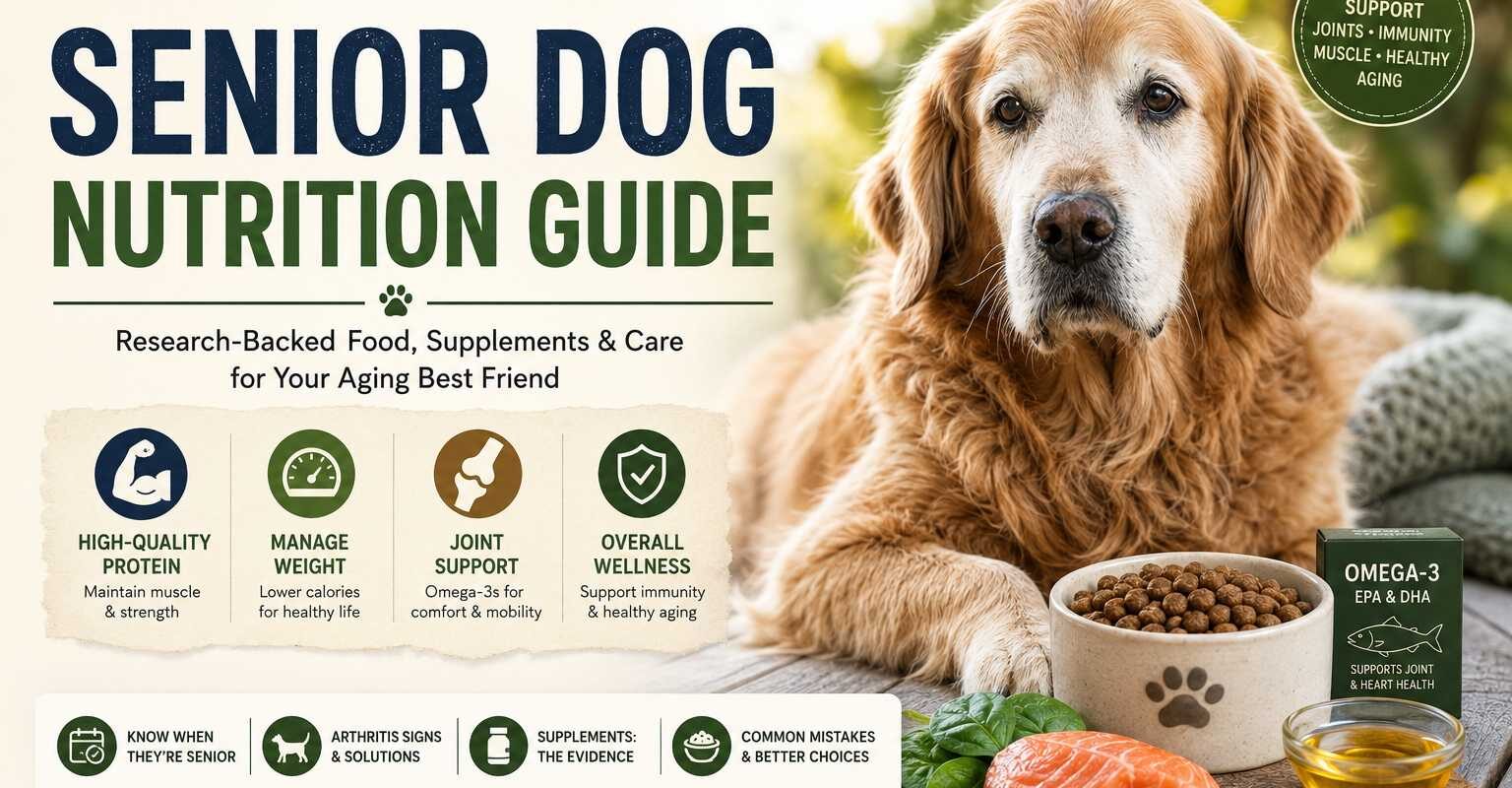
Your dog has a few more grey hairs around the muzzle these days. Getting up from a nap takes a little longer. The morning walk is still eagerly anticipated — but the stride is shorter, and they’re done in half the time they used to need. These are some of the quieter signals that your companion is entering a new chapter, and senior dog nutrition is one of the most powerful levers you have for making that chapter a good one.
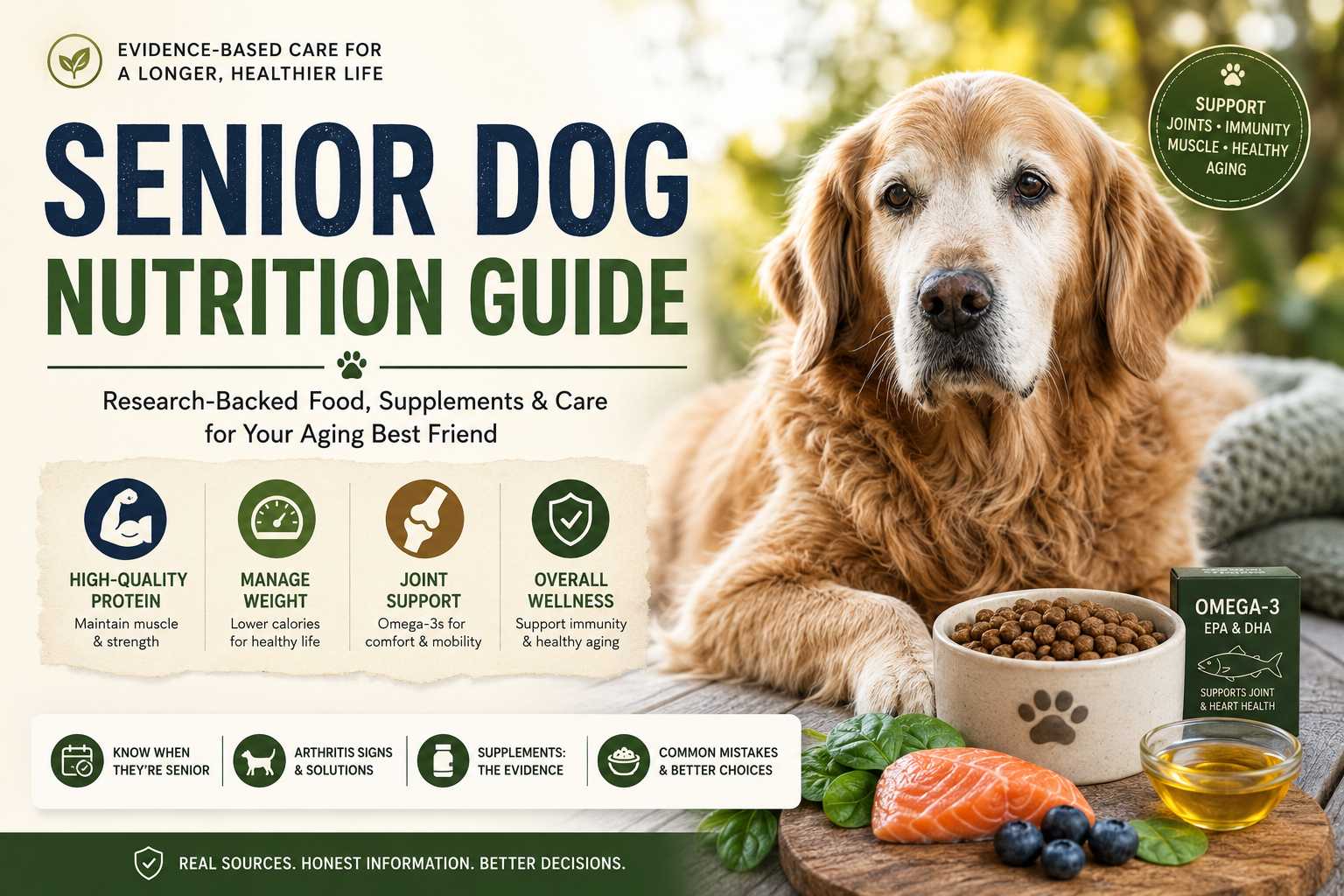
The short answer to what aging dogs need: higher-quality protein to protect muscle mass, carefully managed calorie intake to maintain a healthy weight, and sufficient omega-3 fatty acids to support joint and inflammatory health. But the full picture is more nuanced than any headline makes it sound — and there’s quite a bit of confusion in the pet food aisle about what “senior dog food” actually means, which joint supplements have real evidence behind them, and when a slowing dog genuinely needs veterinary attention.
This guide covers all of it. You’ll find clear, research-backed explanations of how a dog’s nutritional needs shift with age, what the evidence actually says about joint supplements (including where the data is stronger and where it’s surprisingly weak), a practical breakdown of arthritis warning signs, and the most common feeding mistakes owners make — along with better alternatives. We’ve sourced every major claim to a real, published reference you can verify yourself.
No invented statistics, no borrowed veterinary authority. Just careful editorial research, honestly presented, to help you make better decisions for the dog who has earned your very best effort.
Quick Answer
Senior dogs generally need food that is high in digestible protein (to preserve muscle), lower in total calories (to maintain healthy weight), and enriched with omega-3 fatty acids like EPA and DHA (to support joint and inflammatory health). There is no single universal senior formula — the right diet depends on your dog’s size, health status, and individual needs. Omega-3 supplementation has the strongest clinical evidence for joint support; glucosamine evidence is mixed. Always work with your veterinarian before changing your dog’s diet or adding supplements.
1. When Is My Dog Considered a Senior?
The old rule of thumb — “seven years old is senior” — has a lot of exceptions. According to PetMD, the most accurate way to determine senior status is by your dog’s adult body size, not a universal birthday. Larger dogs age faster and typically have shorter lifespans, reaching senior status considerably earlier than smaller breeds.
A practical veterinary rule of thumb, noted across multiple professional sources, is that a dog enters its senior years during the last 25% of its expected lifespan. Here is what that looks like by size category:
| Size category | Approximate adult weight | Approximate senior age |
|---|---|---|
| Small breed | Under 9 kg (20 lb) | 10–12 years |
| Medium breed | 9–27 kg (20–60 lb) | 7–10 years |
| Large breed | 27–45 kg (60–100 lb) | 6–8 years |
| Giant breed | Over 45 kg (100 lb) | 5–6 years |
Why size matters so much
Larger breeds grow very rapidly during puppyhood, placing greater metabolic demand and oxidative stress on their bodies throughout their lives. This accelerated cellular activity — documented in peer-reviewed literature on canine aging — shortens their lifespans and means joint, organ, and muscle changes appear earlier. A six-year-old Great Dane may already need senior nutritional support; a six-year-old Chihuahua is firmly middle-aged.
Physical and behavioural signs your dog is entering the senior stage
Chronological age is a starting point, not a diagnosis. Watch for these more telling signs, regardless of how old your dog is on paper:
Reduced interest in play or shorter, less enthusiastic walks. Stiffness when first getting up from rest. Sleeping more during the day. A greyening muzzle and around the eyes. Slower reaction times. Changes in appetite — either eating less readily or, in some dogs, more slowly due to dental discomfort. Mild confusion or disorientation, particularly in the evenings (a potential early sign of Canine Cognitive Dysfunction, sometimes referred to by the acronym DISHA — Disorientation, Interaction changes, Sleep–wake cycle changes, House-soiling, Activity level changes).
Rapid or sudden changes in any of these — rather than gradual shifts over months — deserve prompt veterinary attention rather than “just wait and see.”
Vet check-up frequency for senior dogs
Most veterinary organisations recommend moving from annual to twice-yearly wellness exams once your dog reaches senior age. These visits typically include blood chemistry panels, urinalysis, blood pressure checks, and a physical examination. Many conditions common in older dogs — kidney disease, early diabetes, hypothyroidism — are far more manageable when found before outward symptoms appear.
2. What Senior Dogs Actually Need to Eat
Here is where pet food marketing tends to run ahead of the science. There is currently no AAFCO (Association of American Feed Control Officials) nutrient profile specifically defined for “senior” dogs, as noted by sources including The Pets Table and corroborated by FEDIAF (the European Pet Food Industry Federation), which has separately published a position statement on senior dog nutrition. This means “senior” on a bag of dog food is, legally speaking, a marketing term.
That doesn’t mean nutrition doesn’t matter — it absolutely does. It means you need to understand the specific nutritional priorities for aging dogs rather than assuming a label does the work for you.
Protein: more important than ever, not less
An older assumption in veterinary circles was that senior dogs should receive less protein to “protect” the kidneys. Current evidence has largely revised this view. A 2025 narrative review published in the Journal of Veterinary Science synthesising the literature on nutrition and aging in dogs concludes that adequate — and often higher — dietary protein is important for senior animals, particularly to counter age-related muscle loss (sarcopenia).
The key caveat: dogs with diagnosed chronic kidney disease (CKD) may require specific protein management under veterinary guidance. For healthy senior dogs without kidney disease, protein restriction is not supported by current evidence. The focus should be on protein quality (digestibility, amino acid completeness) rather than simply reducing quantity.
According to PetMD, senior dog diets should prioritise high-quality protein sources, healthy fats including omega-3 fatty acids, balanced fibre, and essential vitamins and minerals — with food choices evaluated on the AAFCO adequacy statement rather than on ingredient order or marketing language alone.
Calories and weight management
Senior dogs generally have lower caloric needs than younger adults, primarily because of reduced activity levels and a slower metabolism. Carrying excess weight significantly worsens joint pain, increases the burden on the heart and kidneys, and shortens lifespan. Obesity is a direct risk factor for osteoarthritis progression.
At the same time, some older dogs — particularly those with sarcopenia or underlying health conditions — lose weight and need calorie-dense, highly palatable food. The appropriate approach depends entirely on the individual dog’s body condition score, which your vet assesses at each visit. Maintaining a healthy body condition score (typically 4–5 out of 9 on the standard scale) is one of the most impactful things you can do for a senior dog’s joint health and overall longevity.
Omega-3 fatty acids
Omega-3 fatty acids — specifically the long-chain forms EPA (eicosapentaenoic acid) and DHA (docosahexaenoic acid), found in fish oil and certain marine ingredients — have the strongest evidence base of any nutritional supplement for dogs. They reduce inflammatory signalling in joint tissue and have demonstrated benefits in multiple clinical trials. We cover this in detail in the supplements section below.
Fibre and gut health
Digestive efficiency can change with age. Many senior formulas include added prebiotic fibres or probiotic cultures to support healthy gut microbiome populations. A 2022 paper in the Journal of the American Veterinary Medical Association (as cited in a broader systematic review via Frontiers in Veterinary Science) supports dietary fibre’s role in managing gastrointestinal conditions in dogs. For most senior dogs, adequate fibre helps maintain stool consistency and supports satiety in calorie-managed diets.
What to look for on the label
When evaluating a senior dog food, the WSAVA (World Small Animal Veterinary Association) recommends asking: Is this food formulated by a qualified veterinary nutritionist? Does it meet AAFCO nutrient profiles? Does the company conduct feeding trials? Is a nutrient analysis available beyond the guaranteed analysis on the bag?
No matter how thoughtfully worded the front of the bag is, the answers to those questions matter more than any ingredient list or marketing term.
3. Arthritis, Joint Pain & What You Can Do
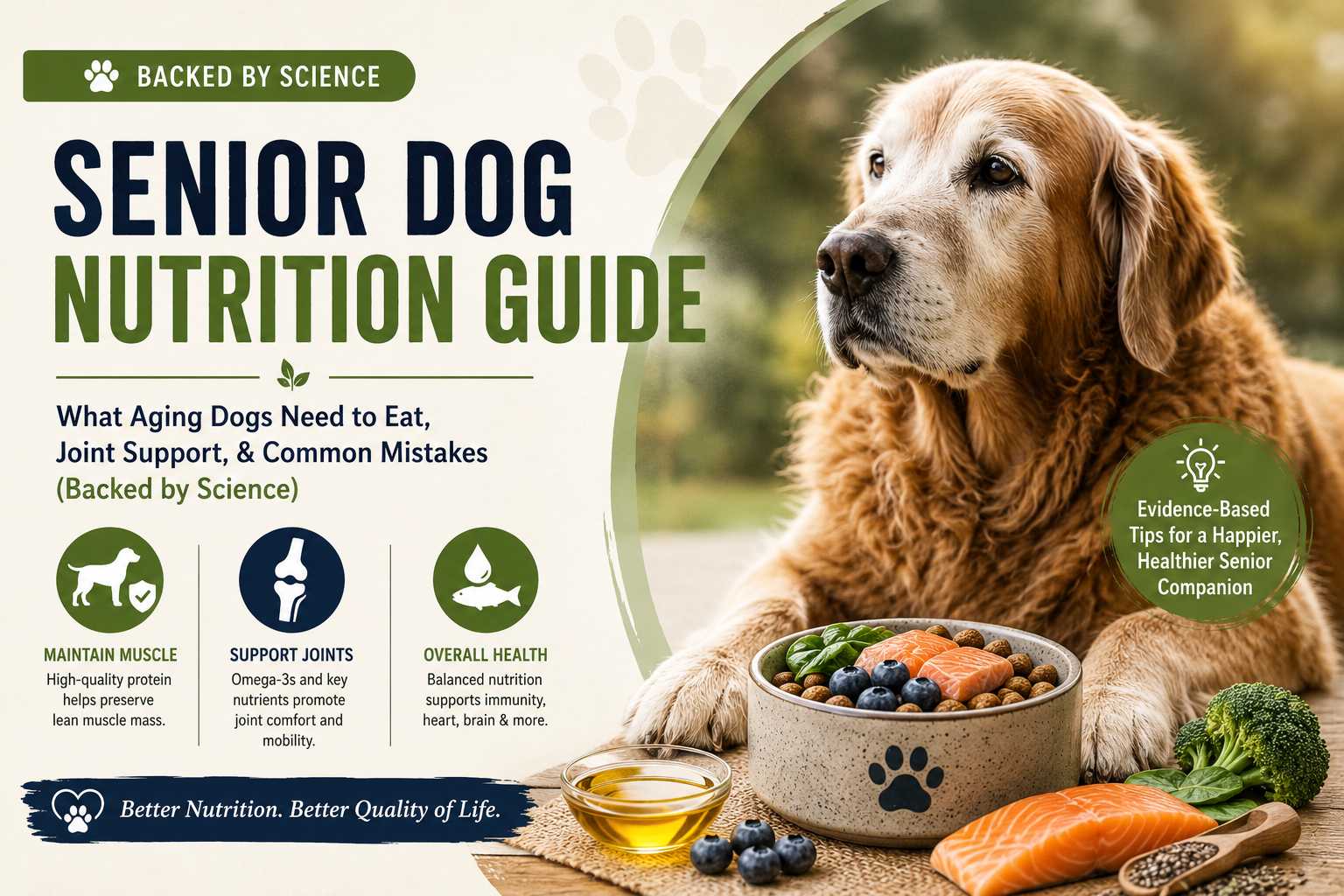
Osteoarthritis (OA) — also called degenerative joint disease — is one of the most common chronic conditions in aging dogs. According to the American Kennel Club, OA can affect up to one in five adult dogs. A 2022 clinical study in the Journal of Small Animal Practice (cited by Petaluma) found 38% of previously unscreened dogs showed signs of OA — suggesting the condition is considerably underdiagnosed because dogs are skilled at masking discomfort.
The disease involves the gradual breakdown of cartilage — the tissue that cushions the ends of bones in a joint. As cartilage thins, bones may rub together, causing pain, inflammation, and the development of bony outgrowths (osteophytes or “bone spurs”). As Cornell University College of Veterinary Medicine notes, OA is a progressive condition with no cure, but its progression can be managed meaningfully with the right interventions.
Warning signs of arthritis in dogs
Dogs rarely yelp or cry out from chronic joint pain. Instead, the signs tend to be behavioural and physical — easy to dismiss as “just getting older.” If several of these appear together, or if any appear suddenly, a veterinary appointment is warranted:
Morning stiffness that improves as the dog warms up. Reluctance to jump into the car, onto the couch, or up stairs — places they once navigated without hesitation. A limp that may be subtle and vary from day to day. Shorter walks or lagging behind on routes they once led. Visible muscle loss over the hips, shoulders, or thighs. Licking or chewing at a specific joint area. Irritability or withdrawal when touched in certain areas. Changes in posture — sitting in an unusual position to relieve pressure on a sore joint.
X-rays are the standard diagnostic tool. Joint pain on palpation and radiographic signs of OA can correlate poorly, as the 2022 AAHA Pain Management Guidelines for Dogs and Cats note — meaning a dog can have significant radiographic changes with mild symptoms, or visible pain with limited X-ray findings. A thorough clinical assessment matters more than any single test result.
Risk factors
Age is the primary risk factor, but it isn’t the only one. The AKC notes that previous injuries, hip or elbow dysplasia, obesity, and certain metabolic conditions all increase risk. Large and giant breeds are more frequently affected, particularly in the hips, elbows, and shoulders. But no breed is immune, and small dogs can develop significant OA — it may simply present differently.
Environmental modifications that help
Non-slip rugs or runners on smooth floors. An orthopedic dog bed that supports the joints and distributes body weight evenly. Pet steps or ramps to elevated surfaces — sofas, cars, beds — that reduce the load on sore joints. Feeding and water bowls at a comfortable height. Keeping the dog warm in cold weather, as low temperatures tend to worsen joint stiffness.
These are not replacements for veterinary treatment, but they make a real, daily difference and cost relatively little to implement.
Veterinary treatments for canine OA
A full treatment discussion is beyond the scope of a nutritional guide — and outside the editorial expertise of this team — but briefly: the 2022 AAHA Pain Management Guidelines advocate a multimodal approach combining pharmacological options (NSAIDs, newer monoclonal antibody therapies such as Librela), weight management, physiotherapy, and appropriate nutraceuticals. A vet can help determine what combination is right for your specific dog.
4. Joint Supplements: The Evidence, Honestly
Walk into any pet supply shop and you’ll find rows of chews, tablets, and liquids promising to support your dog’s joints. Some have real evidence behind them. Some don’t. Here is an honest summary of what the peer-reviewed literature currently shows.
Omega-3 fatty acids (EPA and DHA) — strongest evidence
Fish oil providing EPA and DHA has the most consistent clinical support of any nutraceutical for canine joint health. The mechanism is well understood: EPA and DHA reduce pro-inflammatory signalling in joint tissue, which can lessen pain and slow progression of OA-related inflammation. The AAHA’s 2022 Pain Management Guidelines place omega-3 fatty acids as a first-tier recommendation for osteoarthritis management in dogs.
A study from the Dog Aging Project published in PMC also notes that “omega-3s [have] more evidence of improved joint mobility than others like glucosamine.” Fish oil is generally well tolerated at appropriate doses, though high doses can affect platelet function and may interact with certain medications — always consult your vet before starting.
Glucosamine and chondroitin — mixed evidence
Glucosamine and chondroitin are among the most widely used joint supplements for dogs globally. Biologically, glucosamine is involved in maintaining cartilage structure, and chondroitin helps joints resist compression. The problem is that the clinical evidence in dogs is inconsistent. A 2022 systematic review and meta-analysis (cited by Petaluma and Bestie Paws Hospital) found that glucosamine and chondroitin did not significantly outperform placebo across studies using objective measures like force plate gait analysis.
However, earlier trials — including a well-known study published in The Veterinary Journal in 2007 — did find meaningful improvements in pain and weight-bearing with glucosamine/chondroitin supplementation. There is also evidence from the Dog Aging Project that these supplements are safe at appropriate doses with no evidence of long-term harm.
The honest position: results are mixed, and more rigorous independent trials are needed. Some dogs may respond; others may not. If you’re already using glucosamine and your dog appears to be doing well, there is little reason to stop — but the expectation should be cautious, not confident.
UC-II (undenatured type II collagen) — promising, emerging
UC-II is a relatively newer ingredient that works differently from glucosamine — through a process called oral tolerance, which may modulate the immune response to joint cartilage. Several studies have found UC-II to outperform glucosamine and chondroitin in clinical measures of joint function. This is a promising area but still comparatively limited in the published literature for dogs. Some vets are now recommending it when standard supplements haven’t provided adequate relief, but it remains worth discussing with your vet rather than trialling independently.
Green-lipped mussel — some support, inconsistent results
New Zealand green-lipped mussel (Perna canaliculus) is naturally rich in omega-3 fatty acids and certain cartilage-supportive compounds. A 2013 study found that dogs fed a diet enriched with green-lipped mussel showed increased plasma omega-3 levels and improvement in weight-bearing force. As dvm360 notes, however, “studies do not demonstrate consistent improvement” and there are questions about product quality variation. It may be worth considering, particularly for dogs that cannot tolerate fish oil, but results across studies remain uneven.
A note on supplement quality: Supplements for pets are not regulated to the same standard as pharmaceuticals in the USA, UK, Canada, Australia, or New Zealand. The amount of active ingredient in a product can vary significantly from what is stated on the label. When choosing a joint supplement, look for products that have undergone third-party testing (for example, through NSF International, USP, or equivalent) and that your vet is familiar with.
5. When a Senior Dog Is Losing Weight
Unintentional weight loss in a senior dog should not be attributed to aging without investigation. As PetMD explains, the most common cause in otherwise-healthy seniors is sarcopenia — the age-related loss of skeletal muscle mass. But weight loss is also a potential indicator of underlying disease, including kidney disease, diabetes, dental pain, heart disease, thyroid dysfunction, or cancer.
Understanding sarcopenia
Sarcopenia is the gradual, age-related decline in muscle mass and strength. It affects dogs as it does humans, and as Myos Vet notes, it can begin as early as seven years of age in larger breeds — often before owners recognise it. Because fat tissue can increase while muscle decreases, a dog can maintain its overall weight while losing significant lean mass. This is why veterinarians assess not just weight but Muscle Condition Score (MCS) at appointments — a practical tool for detecting this shift.
Signs that muscle loss may be occurring include a more prominent spine, hip bones, or shoulder blades; a less defined waist when viewed from above; a generalized “frailness” that wasn’t present before; and reduced power when climbing stairs or jumping.
Nutritional strategies for a senior dog losing weight
If your vet has assessed the dog and sarcopenia — rather than underlying disease — is the primary concern, nutritional strategies typically include ensuring adequate high-quality protein and essential amino acids, increasing meal frequency (smaller, more frequent meals can improve intake and digestibility), and ensuring the food is palatable enough that the dog is actually eating full portions. Omega-3 supplementation may also support muscle protein synthesis, according to PetMD.
Gentle, appropriate exercise also plays a critical role in maintaining muscle mass — rest alone does not protect muscle; it accelerates loss. Swimming and gentle leash walks are commonly recommended for dogs with concurrent joint pain.
When to see your vet urgently
Weight loss paired with any of the following warrants prompt veterinary attention rather than a dietary trial: loss of appetite lasting more than a day or two, vomiting or diarrhea, increased thirst or urination, significant lethargy or weakness, difficulty breathing, or a noticeable lump or swelling. These may point to conditions that need diagnosis and treatment, not just better food.
See our full Best Puppy Food 2026 for a week-by-week breakdown.6. What Recent Research Shows
Veterinary nutritional science for senior dogs has advanced considerably in recent years. Here is a summary of key findings from real, linkable sources — with findings restricted to what the research actually shows, including where evidence is still limited or contested.
Senior dogs are living longer — and current nutritional guidelines may not yet account for this. A 2024 review published in Nutritional needs and health outcomes of ageing cats and dogs notes that 20–40% of pets are now classified as “old” (over 11 years), and calls for updated regulatory nutrient guidelines that distinguish between “senior” and “senior+” or geriatric life stages, given their differing needs.
OA is significantly underdiagnosed. The 2022 study in the Journal of Small Animal Practice (cited via Petaluma) found 38% of previously unscreened dogs had osteoarthritis — compared to prior prevalence estimates of around 20%. This supports a case for earlier and more routine joint screening in aging dogs, rather than waiting for overt symptoms.
Omega-3 fatty acids remain the best-supported nutraceutical for joint health. A 2022 systematic review and meta-analysis of nutraceuticals in canine and feline osteoarthritis (referenced in multiple published sources including Bestie Paws Hospital) confirmed the benefits of omega-3 supplementation while finding that glucosamine and chondroitin did not consistently outperform placebo. UC-II collagen showed promising preliminary results.
Protein needs in healthy senior dogs are not reduced. The 2025 narrative review in the Journal of Veterinary Science — drawing on the WSAVA Nutritional Assessment Guidelines and NRC nutrient requirements — concludes that adequate protein intake is critical for senior animals to avoid nutritional disease, including the muscle-wasting effects of sarcopenia. The old view that protein should be reduced for all senior dogs has not been supported by contemporary evidence (except for specific cases of confirmed kidney disease).
Sarcopenia may begin earlier than commonly recognised. As Myos Vet summarises from veterinary literature, muscle loss in larger breeds may begin as early as seven years of age — meaning “middle-aged” dogs may already benefit from muscle-protective nutritional strategies before they are officially classified as senior.
The FEDIAF (European Pet Food Industry Federation) updated its Nutritional Guidelines in 2025, with the Senior Dogs statement noting their unique nutritional requirements given extended life expectancy. This document represents a living reference used by manufacturers across Europe and is available via europeanpetfood.org.
7. Common Mistakes Owners Make
Even the most devoted owners make these. Recognising them early can make a real difference to your dog’s comfort and health.
Common Mistake 1
Assuming “slowing down” is just aging — and not investigating
Dogs mask pain extremely well. What looks like “just getting older” may be significant joint pain, dental discomfort, hypothyroidism, or early organ disease — all of which are treatable when caught early.
If your dog’s energy, gait, or appetite has changed over a few months, book a vet appointment rather than waiting. Describe the changes specifically: when they started, what makes them better or worse, and whether they’re getting gradually worse over time.
Common Mistake 2
Switching to a low-protein senior food without vet advice
Many “senior” formulas were historically made with reduced protein, based on an older assumption that this protects aging kidneys. For most healthy senior dogs, this is not supported by current evidence — and may actually accelerate muscle loss. Protein restriction is only appropriate for dogs with specific, vet-confirmed kidney disease.
Ask your vet to assess your dog’s kidney function with bloodwork before making any protein-related dietary changes. For a healthy senior, the focus should be on protein quality and digestibility, not on cutting it.
Common Mistake 3
Overfeeding a less-active senior dog
As dogs age and activity decreases, their caloric needs fall — but the habit of feeding the same amount as they got at peak activity often persists. Excess weight is one of the most significant and modifiable risk factors for joint disease, heart stress, and reduced mobility.
Re-evaluate your dog’s portion size at their next vet appointment using a body condition score (1–9 scale). Adjust portions in small increments and recheck body weight monthly. Even a modest weight reduction in an overweight arthritic dog can provide noticeable improvement in mobility.
Common Mistake 4
Expecting glucosamine supplements to work like NSAIDs
Glucosamine is one of the most widely purchased pet supplements globally, but as multiple systematic reviews have found, its effects in dogs are inconsistent and often smaller than what owners expect — particularly for acute pain relief. Expecting it to provide rapid, noticeable pain reduction can lead to under-treated joint pain while a more effective treatment is delayed.
If your dog is showing active signs of joint pain (limping, stiffness, reluctance to move), see your vet for a full assessment. Pain management may need NSAIDs or newer medications rather than — or in addition to — nutraceuticals. Supplements are best viewed as long-term supportive tools, not pain relief replacements.
Common Mistake 5
Stopping exercise because “the dog is sore”
A well-intentioned instinct to rest an arthritic dog can actually worsen muscle loss and joint stiffness. Muscle is joint protection — it stabilises and cushions. Without regular, gentle movement, sarcopenia accelerates and the dog becomes more fragile, not less uncomfortable.
Work with your vet to establish an appropriate exercise plan rather than eliminating activity. Short, frequent, low-impact walks (leash walks on soft surfaces, or swimming if available and tolerated) are typically recommended over infrequent long walks that cause flare-ups.
Common Mistake 6
Using human joint supplements without checking suitability for dogs
Human glucosamine supplements often contain xylitol (a sweetener that is toxic to dogs), ibuprofen, or other additives that are harmful or poorly dosed for dogs. Even fish oil for humans may contain flavourings or additives that are inappropriate.
Use products specifically formulated and dosed for dogs, and check with your vet before introducing any supplement. If cost is a concern, unflavoured pure fish oil capsules formulated for humans can sometimes be used, but only with vet guidance on dosing and to check for additives.
Common Mistake 7
Attributing all weight loss to sarcopenia without investigating
Sarcopenia is common in senior dogs, but it is a diagnosis of exclusion — meaning other causes must be ruled out first. Kidney disease, cancer, diabetes, dental disease, and heart failure can all cause weight loss and may initially look like “just getting thinner with age.”
Any unintentional weight loss in a senior dog deserves a vet visit with bloodwork, urinalysis, and a physical examination before being attributed to normal aging. Early-stage kidney disease and diabetes, for example, are manageable if caught early — but they do not improve with dietary changes alone.
8. Evidence-Based Recommendations
These are commonly recommended strategies based on current veterinary guidance and published research. They are not personal clinical advice from this editorial team — individual dogs vary, and your vet’s assessment of your specific dog always takes precedence.
- Schedule twice-yearly vet visits once your dog reaches senior age. Routine bloodwork, urinalysis, and physical exams catch conditions like early kidney disease, thyroid dysfunction, and diabetes before they become serious. This cadence is recommended by major veterinary organisations including the AAHA and its counterparts internationally.
- Prioritise protein quality and quantity (for healthy senior dogs). Current evidence supports maintaining adequate — and potentially higher — high-quality protein intake in senior dogs to combat muscle loss, rather than the older practice of broad protein reduction. Ask your vet to assess kidney function before making protein-related dietary decisions.
- Add omega-3 fatty acids (EPA and DHA) if not already in the diet. Fish oil providing EPA and DHA has the strongest evidence base of any nutraceutical for joint and inflammatory support in dogs, and is listed as a first-tier recommendation in the 2022 AAHA Pain Management Guidelines. Discuss appropriate dosing with your vet, particularly if your dog is on other medications.
- Manage body weight actively. Even modest weight loss in an overweight arthritic dog can significantly reduce joint load and improve mobility. Use body condition scoring as an objective guide and adjust portions with your vet’s input rather than guessing.
- Maintain low-impact, consistent exercise. Short, frequent, gentle walks on soft surfaces or swimming (where accessible and the dog is comfortable) help preserve muscle mass and joint mobility. Irregular bursts of activity followed by prolonged rest can cause pain flare-ups. Consistency is more important than intensity.
- Make environmental modifications early. Non-slip rugs, orthopedic beds, pet ramps or steps, and raised feeding stations are small investments that improve daily comfort for a dog with developing joint pain. They are easiest to introduce before a dog has strong avoidance behaviour around previously painful areas.
- Choose dog food using evidence-based criteria, not marketing language. Look for food formulated by a qualified veterinary nutritionist, that meets AAFCO standards, and is produced by a company that conducts feeding trials and quality testing. The WSAVA’s published guidelines on selecting pet food offer a practical question list owners and vets can use together.
- Discuss emerging treatment options with your vet if OA is confirmed. Monoclonal antibody therapies (such as Librela/bedinvetmab in some countries), physiotherapy, laser therapy, and multimodal pain management approaches have expanded meaningfully in recent years. A vet familiar with senior dog pain management can outline what is available and appropriate in your country.
- Watch for and report behavioural changes promptly. Irritability, withdrawal, reduced enthusiasm for previously enjoyed activities, changed sleeping patterns, or house-soiling in a previously house-trained dog can all be early signs of pain, cognitive change, or systemic disease. They deserve a veterinary conversation, not dismissal as “just age.”
9. Frequently Asked Questions
When is a dog considered a senior?
It depends primarily on size, not a single age. Small breeds (under 9 kg / 20 lb) generally reach senior status around 10–12 years. Medium breeds around 7–10 years. Large breeds (over 27 kg / 60 lb) at roughly 6–8 years, and giant breeds as early as 5–6 years. According to PetMD and other veterinary sources, the general rule is that a dog is considered senior during the last 25% of its expected lifespan. If you’re unsure about your specific breed, your vet is the best person to guide you.
What is the best food for senior dogs?
There is no single “best” food because the right diet depends on your individual dog’s health status, weight, and any concurrent conditions. In general, veterinary guidance points toward foods with high-quality digestible protein (to preserve muscle), appropriately controlled calories (to manage weight), omega-3 fatty acids like EPA and DHA (for joint and inflammatory support), and balanced fibre for gut health. Look for food that meets AAFCO nutrient profiles and is formulated by a qualified veterinary nutritionist. Discuss your dog’s specific needs with your vet before switching, particularly if the dog has any diagnosed health conditions.
What are the early signs of arthritis in senior dogs?
Dogs mask pain well, so early signs are often subtle and behavioural. Watch for stiffness when first getting up after rest (that improves as they warm up), reluctance to use stairs or jump into the car, a shorter stride on walks, lagging on routes they used to lead, muscle loss over the hips or shoulders, licking or chewing at a joint, and irritability when touched in certain areas. The American Kennel Club notes that osteoarthritis is often hard to detect in early stages because dogs tolerate significant joint changes before showing outward symptoms. A vet assessment, including X-rays, is the only reliable way to confirm a diagnosis.
Do joint supplements actually work for dogs?
It depends on the ingredient. Omega-3 fatty acids (EPA and DHA) have the strongest and most consistent clinical support, and are placed as a first-tier recommendation in the AAHA’s pain management guidelines. Glucosamine and chondroitin are widely used but evidence is mixed — a 2022 systematic review found they did not consistently outperform placebo in objective measures, though they appear safe. UC-II collagen has emerging positive evidence. Results vary between individual dogs, and supplements are best viewed as supportive tools — not replacements for veterinary pain management when OA is active and confirmed.
Why is my senior dog losing weight?
Unintentional weight loss in a senior dog always warrants a vet visit. The most common cause in otherwise-healthy seniors is sarcopenia — age-related muscle loss — which can make a dog look and feel thinner even if overall weight hasn’t changed dramatically. However, weight loss can also indicate kidney disease, diabetes, dental pain, heart disease, thyroid problems, or cancer. A physical examination with bloodwork and urinalysis is the right first step — not a food change alone. As PetMD explains, sarcopenia is a diagnosis of exclusion: other causes must be ruled out first.
Do senior dogs need more or less protein?
For healthy senior dogs, current evidence supports maintaining adequate or even slightly higher-quality protein — not reducing it. The older assumption that protein should be cut for senior dogs has been largely revised in the veterinary community. Adequate protein helps combat sarcopenia (muscle loss), which is one of the most significant quality-of-life issues in aging dogs. The exception is dogs with confirmed chronic kidney disease (CKD), where your vet may recommend specific protein management. Never change protein levels for a dog with known kidney problems without veterinary guidance.
How often should a senior dog visit the vet?
Most veterinary organisations recommend moving from annual to every-six-months wellness exams once a dog reaches senior age. These visits typically include comprehensive bloodwork, urinalysis, blood pressure monitoring, and a full physical exam. Many conditions common in older dogs — early kidney disease, thyroid dysfunction, diabetes — are far more manageable when caught before outward symptoms appear. Check with your own vet for their recommended schedule; higher-risk breeds or dogs with known health conditions may benefit from more frequent monitoring.
Is fish oil safe for senior dogs?
Fish oil providing EPA and DHA is generally considered safe for most healthy senior dogs and has the strongest evidence base among nutraceuticals for joint and inflammatory support. However, appropriate dosing matters — very high doses can potentially affect platelet function, and fish oil can interact with NSAIDs and certain other medications. Always check with your vet before starting fish oil supplementation, particularly if your dog is on regular medication. Use products specifically formulated for dogs, or unflavoured human fish oil capsules only with your vet’s guidance on dosing and a check for inappropriate additives.
10. Closing Thoughts
A dog’s senior years can be some of the richest of the relationship you share with them. The pace is slower, the walks are shorter, but something else takes hold — a quieter kind of presence, a dog who is fully yours and knows it. The goal of everything in this guide is to help make those years as comfortable and full as possible.
A few things are worth holding onto from everything we’ve covered:
Nutrition is one of the most powerful tools you have — not a supplement stack or a specific brand, but thoughtful feeding that prioritises protein quality, healthy weight, omega-3 fatty acids, and regular veterinary review. Those basics, done consistently, matter more than any single product.
Joint pain is underdiagnosed because dogs hide it. If your dog is slower to rise, reluctant at the stairs, or shorter on walks, that is worth a vet appointment — not reassurance that it’s “just age.” Early intervention for arthritis genuinely improves quality of life.
The evidence on supplements is honest when you look at it carefully. Omega-3 fatty acids are well supported. Glucosamine is mixed. UC-II is promising. No supplement replaces veterinary care when pain is present and active.
Weight management is joint care. An overweight arthritic dog carries more pain than an equivalent dog at a healthy weight. It is the most modifiable risk factor available, and it costs nothing but consistency.
Every major decision — changing your dog’s diet, adding a supplement, addressing a new symptom — is best made in conversation with a veterinarian who knows your specific dog. This guide gives you a foundation for that conversation, not a substitute for it. Take what you’ve learned here and bring it to your vet. Your dog has earned the best version of your attention.
References
- PetMD Editorial — “When Is a Dog Considered a Senior?” — PetMD — 2026 — https://www.petmd.com/dog/general-health/when-is-a-dog-considered-senior
- PetMD / Senior Dog Veterinary Society (reviewed Monica Tarantino, DVM) — “5 Tips for Feeding a Senior Dog” — PetMD — 2025 — https://www.petmd.com/dog/general-health/tips-feeding-senior-dog
- Blanchard G, Priymenko N, Oh WS — “Nutrition and aging in dogs and cats: assessment and dietary strategies” — Journal of Veterinary Science / PMC — 2025 — https://pmc.ncbi.nlm.nih.gov/articles/PMC12520854/
- Exploratory analysis of nutrient composition of adult and senior dog diets — Frontiers in Veterinary Science — 2025 — https://www.frontiersin.org/journals/veterinary-science/articles/10.3389/fvets.2025.1717409/full
- “Nutritional needs and health outcomes of ageing cats and dogs: is it time for updated nutrient guidelines?” — PMC / NIH — 2024 — https://www.ncbi.nlm.nih.gov/pmc/articles/PMC11188961/
- FEDIAF — Nutritional Guidelines for Complete and Complementary Pet Food for Cats and Dogs (Version 2025); Senior Dog Statement — European Pet Food Industry Federation — 2025 — https://europeanpetfood.org/self-regulation/nutritional-guidelines/
- WSAVA Global Nutrition Committee — Nutrition Guidelines / Tools and Resources — World Small Animal Veterinary Association — https://wsava.org/global-guidelines/global-nutrition-guidelines/
- American Kennel Club — “Osteoarthritis in Dogs: Signs, Symptoms, Treatments” — AKC — https://www.akc.org/expert-advice/health/osteoarthritis-in-dogs/
- Cornell University College of Veterinary Medicine — “Osteoarthritis” — Riney Canine Health Center — https://www.vet.cornell.edu/departments-centers-and-institutes/riney-canine-health-center/canine-health-topics/osteoarthritis
- Gruen ME et al. — “2022 AAHA Pain Management Guidelines for Dogs and Cats” — Journal of the American Animal Hospital Association, 58(2), pp.55–76. — AAHA — 2022 — https://www.aaha.org/resources/2022-aaha-pain-management-guidelines-for-dogs-and-cats/
- PetMD — “Sarcopenia in Dogs” — PetMD — 2025 — https://www.petmd.com/dog/condition/sarcopenia-in-dogs
- Myos Vet — “Understanding the Onset of Sarcopenia in Canine Patients” — Myos Vet — 2025 — https://myosvet.com/blogs/news/understanding-the-onset-of-sarcopenia-in-canine-patients
- Royal Canin Academy — “Weight Loss in Senior and Geriatric Dogs” — Royal Canin Academy — https://academy.royalcanin.com/en/veterinary/sarcopenia-and-weight-management-in-older-dogs
- PMC / Dog Aging Project — “Demographic factors associated with joint supplement use in dogs from the Dog Aging Project” — PMC — https://pmc.ncbi.nlm.nih.gov/articles/PMC9361857/
- Petaluma — “Best Dog Food for Senior Dogs with Joint Problems” — feedpetaluma.com — 2026 — https://www.feedpetaluma.com/blogs/golden-years/best-dog-food-for-senior-dogs-with-joint-problems
- Bestie Paws Hospital — “12 Best Joint Supplements for Older Dogs” — bestiepaws.com — 2025 — https://www.bestiepaws.com/dog-supplement-review/best-joint-supplement-for-older-dogs/
- dvm360 — “Joint supplements for dogs: The helpful vs. the hype” — dvm360.com — https://www.dvm360.com/view/joint-supplements-dogs-helpful-vs-hype
- PetMD — “8 Best Joint Supplements for Dogs in 2026, Recommended by Vets” — PetMD — 2026 — https://www.petmd.com/vet-verified/best-joint-supplements-for-dogs
- Heapet — “Senior Dog Age: A Vet’s Guide by Breed & Size” — heapet.com — 2024 — https://heapet.com/blogs/community/senior-dog-age-guide
- PetMD — “Osteoarthritis in Dogs: Symptoms, Causes, and How To Help Your Dog” — PetMD — 2026 — https://www.petmd.com/dog/conditions/musculoskeletal/osteoarthritis-in-dogs

You Might Also Like

💬 One Comment
Leave a Comment
Your email address will not be published. Required fields are marked *
[…] puppy will grow quickly — when that day comes, our Senior Dog Nutrition & Joint Care Guide will be ready for the next […]